
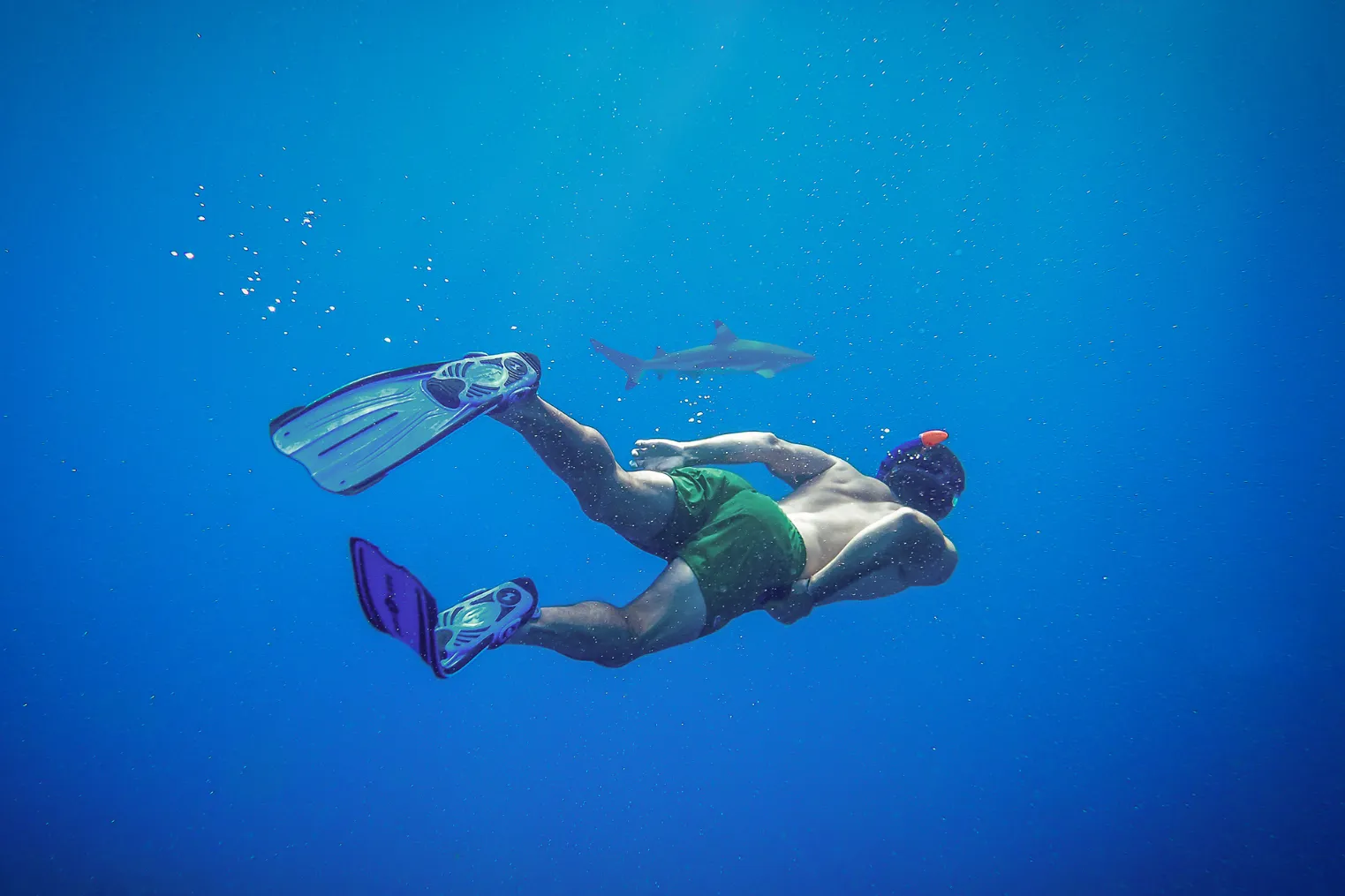
Is it really true that the best way to protect sharks is to get in the water with them? You can test that idea on your next trip by choosing a permitted, no-chum operator, packing reef-safe sunscreen and a refillable bottle, then sticking to a calm no-touch, keep-your-distance style underwater while the reef clicks and your bubbles hiss like soda. Log what you see, spend your cash locally, and share photos without pinpointing sensitive spots, because the ripple effects can be real, and not always obvious…
Key Takeaways
- Choose certified, permitted operators with no-chumming policies, small groups, and clear conservation contributions like tagging or protected-area support.
- Book directly with community-rooted guides and operators to keep more tourism revenue local and strengthen dockside stewardship incentives.
- Follow strict in-water etiquette: keep 2–3 meters distance, move slowly, secure dangling gear, and never touch, chase, or block sharks.
- Respect camera and drone rules: skip flash, use low-impact lighting, and fly drones only with permits and operator approval, away from sensitive groups.
- Reduce waste and pollution: use reef-safe sunscreen, bring reusables, prevent gear loss, and join cleanups or citizen-science logging when offered.
Choose a Responsible Shark Diving Operator
Before you zip up your wetsuit and chase that blue-water thrill, take a few minutes to choose an operator that treats sharks like wildlife, not props.
Before you zip up your wetsuit and chase that blue-water thrill, choose an operator that treats sharks like wildlife, not props.
For shark diving, look for third party certification such as PADI or CMAS, or a local NGO stamp, then ask to see permits and insurance so you know the boat runs by the book.
Pick a no-chumming policy, or limited, science guided baiting, because you want natural passes, not a floating cafeteria.
On site, you should hear rules on distance, no touching, and small groups, think six divers per guide.
Ask how your fee supports conservation initiatives, tagging, photo ID, or protected areas, and whether they back sustainable fisheries.
Finally, confirm crew training, plans, and post dive reporting.
A solid operator checklist can also help you compare safety practices, wildlife ethics, and local compliance before you book.
Red Flags: Baiting, Crowding, Poor Briefings
While the sight of a fin sliding through clear blue water can make your heart race in the best way, the same moment should also switch on your “is this well run?” radar, because a few common red flags tell you when a shark dive is drifting from wildlife encounter to theme-park stunt.
If you see baiting, skip it; repeated feeding can shift movement and make sharks bolder. In Hawaii, ask whether the operator uses chumming or any attractants, since those practices can condition sharks to associate boats with food. Avoid crowding, when divers bunch within a meter and boats hover with engines running, sharks get stressed. Ask for the pre-dive talk; poor briefings skip no-touch rules, hand signals, approach angles, and emergency steps. A good briefing lasts under 10 minutes. If the crew can’t show a code of conduct, choose operators supported by conservation groups.
Know Local Shark Diving Laws and Permits
Those red flags, like bait buckets on deck and a sloppy safety talk, often trace back to something simpler: the operator either isn’t permitted to run that kind of shark trip, or they’re ignoring the rules that come with it.
Before you book, check local regulations and ask what permits they hold, since some places restrict or ban chumming, and many require wildlife interaction licenses.
Map your site, too, because marine protected areas and shark sanctuaries can limit access, group size, and bait.
In Oahu, responsible operators are transparent about permits and licensing and can explain how their practices support shark welfare and ocean stewardship.
Onboard, expect briefings that match permit conditions, including no-touch policies, and ask to see recent inspection records.
If you’ll film protected or CITES-listed sharks, confirm any extra paperwork plus reporting or quarantine rules so your footage stays legal from dockside onward.
Pack Reef-Safe, Low-Waste Shark Diving Gear
Often, the greenest shark dives start with what you toss in your bag, because the sun lotion on your skin, the bottle in your hand, and the gear you clip to your BCD can either fade quietly into the ocean or linger there for years.
Choose reef-safe sunscreens labeled non-nano zinc oxide or titanium dioxide, and skip oxybenzone and octinoxate, which can bleach coral at parts-per-trillion levels. Apply reef-safe sunscreen at least 15 minutes before your Oahu shark dive so it binds to skin instead of washing straight into the water.
On the boat, pack reusable mask, snorkel, and fins, plus a microfiber reef-safe towel, so you’re not cycling through rentals and wrappers.
Bring a stainless-steel reusable water bottle and silicone tubs, since litter and fishing gear make about half of debris.
Use biodegradable zip bags or silicone pouches, and check straps and tethers so nothing slips away.
Still comparing Shark Diving And Ocean Stewardship: Simple Ways To Give Back?
Ask for tour ideas, hotel suggestions, or a simple trip plan that combines both.
Trip Helper
In-Water Shark Diving Etiquette: No Touch, No Chase
Your bag’s sorted, now it’s your body language in the water that decides whether a shark cruise feels calm or chaotic. Give each shark 2–3 meters of space unless your guide says otherwise, and you’ll see more natural shark behavior, like a glide instead of a nervous jink.
> Your bag’s sorted, now keep it calm: give sharks 2–3 meters of space for natural, unruffled glides.
Keep your fins quiet, move slow and deliberate, and tuck away dangling hoses or straps so nothing snags or startles.
No touching, no prodding, no “just a tap”, that contact can scrape the mucus coat and invite infection, which is the opposite of Conservation. Don’t chase, corner, or block an exit; let the animal choose the lane. This is the core of the No Touch, No Chase rule.
Finally, follow the briefing and rules, and skip feeding unless it’s part of a regulated protocol for shark diving.
Photo Rules for Shark Diving (Flash, Drones, Selfies)
How do you bring home that crisp, blue-water shot without turning a calm shark cruise into a jumpy scene? Keep your kit quiet and your body calmer. You’ll get better behavior and photos when sharks feel unbothered.
- In the water, avoid using camera flash; that pop can spook a cruising shark, so lean on ambient light or steady video lights with red or blue filters.
- At the surface, launch and operate drones only with permits, and keep 100 to 300 m away so you don’t buzz a feeding or breeding group, or clip a boat line. In Hawaii, many operators also require operator permission before any drone flight from a boat tour.
- For selfies, hold position, stay buoyant, give at least a body length, and never block an exit.
Finally, respect local rules, and report or delete shots showing handling.
Spend Locally to Support Live-Shark Tourism
Choose community-owned shark tour operators when you can, because your booking keeps more money in town, supports reef protection, and makes live sharks worth more than fins.
Book local guides directly, ask where a slice of your fee goes, and look for small signs of care like limited group sizes and a no-touch, keep-your-distance approach that feels more like a quiet museum visit than a theme park.
Watch for seasonal sales and group rates when booking, so you can stretch your budget while still supporting local shark tour operators.
Then eat, stay, and shop nearby, pick locally run cafés and guesthouses, pay park fees gladly, and you’ll help the community see sharks as a steady paycheck, not a one-time sale.
Choose Community-Owned Operators
Start by seeking out shark-diving operators that are truly rooted in the community, because where the money lands often decides whether sharks stay in the water or end up on a hook. When a business is community-owned and keeps more than half its stake local, your tourism revenue is more likely to circle back into conservation, schools, and steady jobs, making live sharks the smarter asset. On Oahu, shark dive tourism can meaningfully boost the local economy when visitor spending stays in community hands.
- Ask what percentage of each trip, ideally 5–15%, goes to marine protected areas, research, or education.
- Check staffing, look for a local crew that’s 70% or more, you’ll often feel it in the warm dockside hellos and smoother boat routines.
- Look for real partnerships with NGOs or park authorities, a signed MOU beats a logo on a website.
Book Local Guides Directly
Once you’ve found a community-rooted operator, lock in your spot by booking with the local guide directly, not through a big international booking site that skims off a hefty cut.
When you book local guides directly, you often double the share that reaches local operators and crew, the people rinsing gear, fueling skiffs, and reading the tide at dawn.
Ask, politely, what portion of your fee goes to conservation or community projects, and expect a real number or a named program, not hand waving.
Favor outfits that hire local staff, run clean boats, and log sightings for citizen science, because those habits add up.
In Oahu, many of the top shark diving tours run from the North Shore, so booking direct helps keep that expertise and infrastructure rooted in the local community.
Your reservation becomes supporting live-shark tourism, and it keeps the rules, and the sharks, in the water for years ahead.
Eat, Stay, Shop Nearby
Lean into the town around your dive, not just the boat, and you’ll help turn shark sightings into steady paychecks that beat a one-time catch. When you book local lodging, eat where the grills smoke out front, and ride with town drivers, more of your cash stays put and keeps live sharks worth more than landings. Planning a celebration on the water, like group bookings for birthdays, teams, or private options, can also concentrate your spend with responsible local operators.
- Choose regulated shark-diving tours run by responsible operators, ask about group limits and no-feeding rules.
- Spend your meals and souvenirs locally, pick handmade tags, woven hats, or a cold coconut instead of airport trinkets.
- Add a guided cleanup or citizen-science dive that funds community-based conservation, like MPA patrols, research, or school talks.
Your itinerary becomes a quiet vote for protection, not extraction, when you visit.
Donate After Shark Diving: Pick High-Impact Groups
A few smart donation choices can turn that salty post-dive buzz, wet hair, and sun-warmed deck grin into real protection for the sharks you just met. When you donate after shark diving, look past cute merch and pick shark conservation organizations that fund tracking, scientific monitoring, and new protected areas, some have helped secure over 260,000 square miles of shark sanctuaries. Hawaii’s rules that protect sharks show how targeted conservation can reduce harm and keep ocean ecosystems resilient.
Favor groups with policy wins, like fin-trade bans that now cover 160 million plus people, because laws shrink demand fast. Put extra weight on bycatch-reduction research and gear fixes, since bycatch causes about half of global shark catches.
Finally, back community eco-tourism and meet-a-shark programs, then double-check transparency through reports, outcomes, and science partners. Set a monthly gift, even the price of sunscreen.
Log Sightings: Shark Diving Citizen-Science Tools
Money helps from shore, but you can also protect sharks while your wetsuit’s still dripping by logging what you saw, and what you didn’t, with citizen-science tools like iNaturalist, eOceans, or SharkBase.
On Oahu, shark researchers combine diver-reported sightings with methods like acoustic tagging and BRUV surveys to understand where sharks go and how they behave.
To log shark sightings that scientists can trust, note, after each dive, date, GPS, depth, sea surface temp if you have it, headcount, and behavior. Upload a crisp photo or short clip with a diver or ruler for scale so shark species are confirmed.
- Snap one extra frame for scale.
- Record the same fields every dive, even on shark-free drops.
- Double-check IDs, or leave them open with a photo.
Absence dives count too, they sharpen encounter rates for marine life. Follow each project’s protocols, add your name, and you’ll help save sharks.
Share Shark Diving Responsibly and Support Shark Laws
Often, the moment you towel off and scroll through your camera roll is when your shark dive can do its biggest bit of good, because the way you post sets the tone for everyone who sees it.
With your shark-diving photos, name the species and location, then note responsible operators, no chumming, no baiting, observer-only swims. Share one fact, sharks and rays are down about 71% in 50 years, and link a trusted source. Tag local shark-protection laws or petitions, including bans on the shark fin trade, so interest becomes policy support. Consider skipping geotags for sensitive sites and instead emphasize wildlife-first practices that keep sharks unconditioned and people safe.
Tell friends to book operators that fund research or help communities, and ask for permit numbers before paying.
Nudge followers to email officials and avoid shark-derived products after that salty boat ride.
Frequently Asked Questions
What Certifications or Training Should I Have Before My First Shark Dive?
You’ll get Open water certified, add Advanced Buoyancy practice, and log 20+ dives. Take a shark-briefing workshop covering Species Identification and behavior. Earn Rescue Certification plus current CPR/First-Aid and oxygen training before remote sites too.
Are Shark Dives Safe for Beginners, and What Risks Should I Understand?
Ready to meet sharks? Yes, shark dives can be safe for beginners if you follow Safety protocols and Buddy systems. Understand risks: currents, boats, depth effects, and gear issues; trust Cage design, verify Emergency response.
What’s the Best Season and Visibility for Shark Diving in Different Regions?
You’ll get best peak months and water clarity by region: Bahamas Dec–Apr 30–60m; South Africa May–Sep 5–15m; Ningaloo Apr–Aug 10–30m; Fiji/Tonga May–Oct 20–40m; Thailand/Philippines Nov–Apr 5–25m, shaped by seasonal currents for regional comparisons, plan accordingly.
Can Shark Diving Worsen Fear of Sharks, and How Can I Talk About It?
Yes, if you chase the storm, you’ll feed shark phobia. Choose guides who treat dives as exposure therapy, counter media framing with facts, and hold a calm post dive debrief so awe replaces adrenaline-fueled fear.
How Much Should I Tip Shark Diving Guides and Boat Crew?
Use percentage guidelines: tip 10–20% of your cost per person (about $15–$30 on $150), or $10–$20 for short trips. Follow customary amounts, ask about crew distribution, and you’ll keep gratuity etiquette with cash, bills.
Conclusion
You’ve done more than tick off a bucket-list dive. You chose a permitted operator, packed reef-safe basics, and kept your hands to yourself, so the water stays clear and the sharks stay calm. Log your sightings while your wetsuit still smells like salt, tip and eat local, then give to groups that track bycatch and laws. Share photos, not coordinates. When you protect them, they protect the sea. It’s fair trade, and you’ll feel it.


