You’re eyeing shark diving on Oahu and wondering if it’s a thrill worth the cash or just a salty story for later. You’ll ride out for about three hours, bob on open water, and spend roughly an hour in the blue while the boat hums and the wind snaps the rail line. Tours often run $115 to $200, plus tips and maybe photos. Cage-free feels wild, cages feel easy. So what’s the real trade?
Key Takeaways
- Most Oahu shark dives run about three hours from Haleiwa Harbor, with roughly one hour in the water, so value depends on your expectations.
- Typical prices start near $115, but small-group, early-morning, or private trips can run $200–$400+ plus tips and add-ons.
- It’s most worth it if you want a cage-free, small-group pelagic shark encounter; stay-on-boat or cage options suit non-swimmers.
- Safety is structured: experienced crew, safety diver, strict no-touch/no-feed rules, and controlled entry using a rope line near the boat.
- Sightings vary by day and season; tiger sharks peak now–November, but calm morning winds usually improve visibility and encounter quality.
Is Shark Diving Oahu Worth It for You?
If you’ve ever wondered what it feels like to slip into warm blue water and meet a shark eye to eye, Oahu’s North Shore dives might be your kind of “yes.”
You’ll head out of Haleiwa on a small boat for about three hours, with roughly an hour in the water, and prices often start around $115.
Shark diving in Oahu suits you if you want cage-free, small-group time with pelagic sharks.
You can also choose a shark dive Oahu with hotel pickup for an easier, no-hassle start to your morning.
You’ll go with about six guests, plus a captain and safety diver who cover behavior and conservation.
Book an early, light-wind morning, especially through November for tiger odds.
No one promises a tiger, yet Galapagos and sandbars thrill.
If you can swim and you’re 5+, these shark diving experiences may justify $115.
What Happens on a Typical Oahu Shark Tour?
Although the ocean looks calm from shore, your Oahu shark tour starts with a little buzz at Haleiwa Harbor as you check in at the One Ocean Diving booth, sign the waiver, and listen to a quick briefing. Plan to arrive by the posted check-in time so you can get settled before boarding.
You board in small groups, max six, and the captain heads out. Transit takes 15 to 25 minutes each way. Gear’s provided: mask, fins, snorkel, and a GoPro stick if you ask.
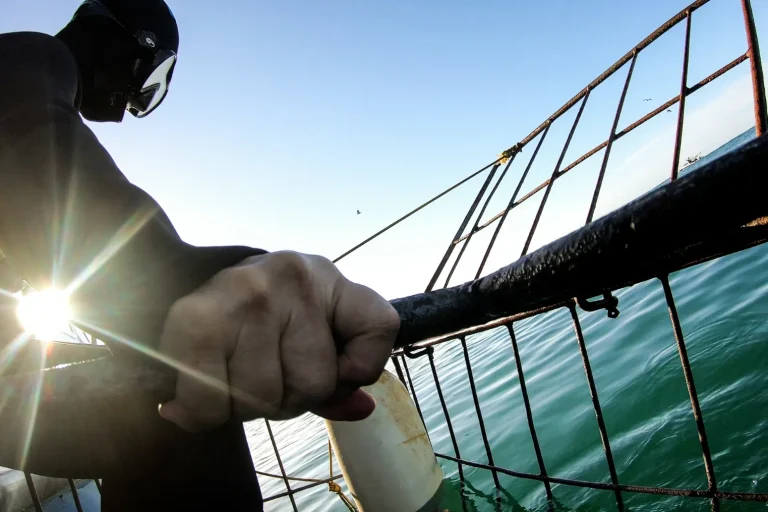
At the site, you may see sharks circling below the hull. You climb down the ladder, grab the rope, and wait for the captain’s signal.
You’ll spend about an hour in the water on this Shark Tour. Photographers snap shots as the crew shares shark biology, conservation, and Hawaiian ocean context before you blink.
How Safe Is Shark Diving Oahu, Really?
Once you’ve felt the boat rock in the open water and watched a gray shape cruise under the hull, the next question comes fast: how safe is shark diving on Oahu, really? With experienced operators, risk stays low. You’ll go out in small groups, often six, with a captain and a safety diver in the water.
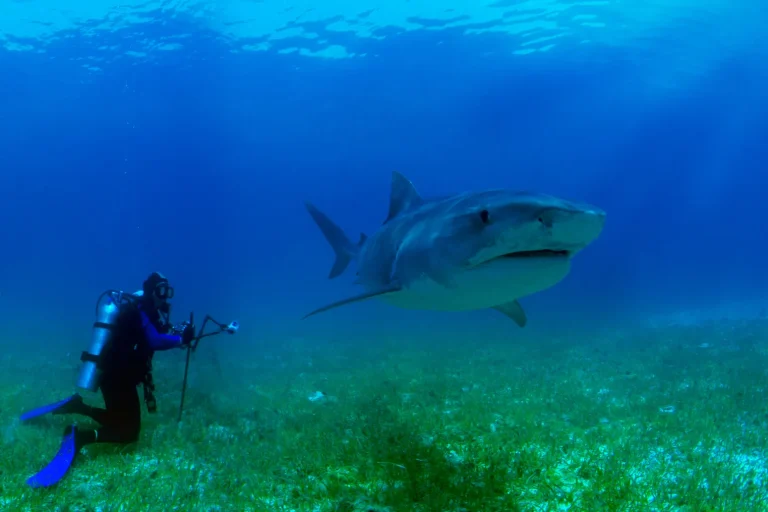
Before your shark dive, they lay out rules: no touching, no feeding, and no drifting. Most crews also cover clear hand signals for when to hold position, move in, or exit the water. Most sharks here act curious, not cranky, and you often watch from 30 to 50 feet away. Tiger sharks show up in season through November, but nothing’s guaranteed.
You’ll hold the rope ladder or stay close to the boat and follow crew cues. If seasickness hits you, book morning trips and take meds.
Cage vs Cage-Free on Oahu: Which Is Better?
If you want safety and comfort with minimal effort, you’ll likely lean toward a cage where you can watch sharks cruise by even if you don’t swim, though the bars can block your view and make it feel a bit like a wet aquarium.
If you want freedom and immersion, you’ll float in open water on a line near the boat with a small group, hear your own steady breathing, and see Galapagos or sandbar sharks glide close with nothing between you and that silvery motion.
On a private shark dive charter, the pace is typically more tailored, with fewer people on board and a crew walking you through exactly what to expect before you get in.
The trade-off is simple: cageless trips ask for basic swimming and a little more logistics, while cage trips keep it predictable and let you keep your “adventure hair” mostly dry.
Still comparing Is Shark Diving Oahu Worth It? Honest Cost Vs Experience Breakdown?
Ask for tour ideas, hotel suggestions, or a simple trip plan that combines both.
Trip Helper
Safety And Comfort
Whether you want the steady, structured feel of a metal cage or the open-water thrill of a small group swim, safety and comfort shape the whole shark dive on Oahu.
In a cage, you can sit or stand while the boat anchors offshore, so non-swimmers relax and keep effort low. On cage-free trips, you need basic swimming and you’ll stay close to a boatline with safety divers nearby, watching sharks in Hawaii glide past. You’ll hold a rope ladder and hear bubbles hiss beside you. Many swimmers love the more immersive feel of a cage-free shark diving experience when conditions are calm and the crew keeps the group small and well-briefed.
- Ask about briefings and no-touch rules before you book.
- Pack seasickness meds since anchoring can feel like a rocking chair.
- Choose calm, light-wind mornings for clearer water.
- Pick operators with seasoned crew and conservation-first habits.
Freedom And Immersion
Safety and comfort set the stage, but the real question on Oahu is how free you want to feel in the water. In a cage, you grip metal bars and watch sharks cruise past like submarines. It’s steady and predictable but the frame can block your view and the clank of the cage keeps you aware you’re a visitor.
Go cage-free and the open ocean feels bigger quieter and more alive. You float on a line while safety divers guide the scene and sharks glide closer on their own terms. You notice the haze the blue fade and the whoosh of fins. Photos get wilder and more personal though you’ll work for each shot. You also hear conservation talk and less “chum and show.”
If you’re deciding between the two, cage-free vs cage mostly comes down to how much structure and separation you want versus immersion.
Skill Needs And Logistics
Because Oahu’s shark dives happen in real open ocean, the best choice often comes down to what your body can do and how much structure you want around you. On cage-free trips, you’ll slip in with mask and fins, and you should swim at a beginner level. Ages 5+ can enter, and you may drift from the boat on the captain’s cue. You’ll get about an hour in the water on a three-hour ride, with small groups and safety shark divers close. You’ll hear hull slap and feel current tug. If you can’t swim, there are stay-on-the-boat options that let you watch the action without getting in the water.
- Choose a cage if you can’t swim.
- Choose cage-free for photos and raw proximity.
- Expect more motion, salt, and splash either way.
- Match comfort to adventure, then enjoy the blue.
How Much Does Shark Diving Oahu Cost?
You’ll usually see Oahu shark tour prices start around $115 per person, but your final total shifts with the operator, the season, and whether you’re on a small boat with about six guests.
Most trips include the basics like mask, snorkel, and fins, plus a briefing and a roughly three hour outing with about one hour in the water as the engine hums toward open blue.
Some operators also include cage and crew support in the base price, which can change how you compare packages.
Then you spot the extras that sneak onto the bill, like photo packages or a GoPro rental, and you’ll want to plan for tipping if your crew keeps you calm when those big shadows glide past.
Typical Tour Price Range
When you start pricing it out, shark diving on Oahu usually lands in a pretty approachable range. For a classic no cage Shark swim, expect about $115 to $200 per person, with the boat rocking gently as you head out from Haleiwa. Prices climb when you want fewer strangers and more quiet ocean.
- Budget seat: $115–$150 on larger boats.
- Mid range: $150–$200 with popular operators.
- Small group or early-morning: $200–$400+ for max six guests.
- Private charter: often $400+ and can jump in peak demand.
Many of the top shark diving tours run out of Haleiwa Harbor on Oahu’s North Shore, which is why the departure point often stays the same even when prices change.
You’ll hear the captain call out sharks, watch shadows below, and feel salt spray hit your lips.
Now through November can book fast, and calm mornings cost more.
Plan extra for Waikiki transport, tips, and optional photo or wetsuit upgrades.
What’s Included In Cost
Prices for shark diving on Oahu can look simple at first, then they start to add up in a good way once you see what’s baked in. Your ticket usually covers the basics like fins, mask, and snorkel, so you can step aboard without hauling a duffel.
Before you hit the water, you get a clear safety talk and a quick lesson in shark behavior that calms the nerves and sparks curiosity. From Haleiwa harbor you cruise out 15 to 25 minutes each way, listening to guides or a researcher share stories over the engine hum. Expect a smooth check-in process that gets waivers and gear sorted before you even step onto the boat.
You’re paying for boat time, fuel, and a pro crew. Most trips give you about an hour of cage diving, plus photo options if you ask onboard too.
Extra Fees And Tips
At first glance, that $115-ish shark dive ticket looks tidy, then a few small add-ons swim into view.
- Dockside checkout or waiver processing can add a few bucks
- Harbor fees or taxes may appear at booking
- Wetsuit or GoPro rentals cost extra and keep you comfy while sharks cruise past the cage line
- Tip 15–20% for a small crew that handles ladders and calm nerves
Keep your phone, wallet, and jewelry in a dry bag or leave them locked up as valuables on a shark dive tours can get splashed and storage space is limited.
You’ll also pay your own ride from Waikiki since no shuttle runs to Haleiwa. Plan 60 to 90 minutes each way. Morning air smells like salt and diesel at the harbor.
Parking is usually free which feels like a tiny victory on Oahu before you even swim. Check cancellation and weather rules and consider travel insurance for nonrefundable fares.
When Is the Best Time for Tiger Sharks on Oahu?
Most years, the tiger shark season on Oahu really gets rolling now and stays strong through November, with the best odds stretching into late fall. If you’re planning your trip, that’s your best time to book an open water cage dive and keep your calendar flexible.
Go early. First light is when crews often spot tigers cruising closer to the boat, and the ocean feels glassy before the trade winds wake up. Pick a light wind day with calm seas so you can see farther into the blue and catch that slow, confident silhouette.
For visitors, it’s also worth remembering that tiger sharks in Hawaii are a normal part of the local marine ecosystem, so give them space and follow crew guidance closely.
You’ll hear the cage creak, feel the cool surge, and watch sunlight flicker across sand below. Sightings still aren’t guaranteed, so stack the odds with timing and conditions every time.
What Sharks Will You See Besides Tiger Sharks?
So what shows up when a tiger shark doesn’t? On Oahu’s North Shore, you’ll still drop into blue water and hear your own bubbles while other regulars glide in. Operators say you rarely leave with sharks without a story.
The most common backups are Galapagos sharks and sandbar sharks, often cruising the pelagic zone in loose packs. Sandbar sharks also tend to favor sandy channels and nearshore drop-offs around Oahu, especially where gentle currents concentrate baitfish.
- Galapagos sharks: broad heads, steady passes, curious but calm.
- Sandbar sharks: sleek grey bodies, tight turns, great for photos.
- White-tip reef sharks: closer to structure, quick flashes along the bottom.
- Bonus visitors: hammerheads or silky and dusky sharks, more likely on morning dives in March to May or September to November.
With cage-free observation, you may watch several species at once, up close.
How to Book an Oahu Shark Dive for Best Odds?
If you want the best odds of seeing sharks up close, book an early-morning charter on Oahu’s North Shore and treat the schedule like part of the adventure. Reserve a cage-free charter with six guests and divers. Rent a car, allow 60–90 minutes from Waikiki, and arrive 15 minutes early at Haleiwa Harbor to sign the waiver at the One Ocean Diving booth before you leave Haleiwa. If you’re coming from Honolulu, plan your North Shore drive so you’re not rushed by morning traffic or limited parking near Haleiwa Harbor. Call the operator that morning and pick light winds. Plan for a 3-hour trip with 15–25 minutes each way and an hour in the water, Diving without a cage.
| Do | When | Why |
|---|---|---|
| Book early AM | Now–Nov | Closer sharks |
| Go small | Max 6 | More attention |
| Check seas | Same day | Better vis |
| Arrive early | +15 min | Waiver, gear |
Frequently Asked Questions
Do I Need Scuba Certification, or Can I Snorkel on Shark Tours?
You don’t need scuba certification for Oahu shark tours; you can join snorkeling only trips if you swim and follow the briefing. Operators supply mask, fins, snorkel, and safety crew keeps you near the boat.
What Should I Pack for Seasickness and Sun Protection?
Pack like you’re armoring up for a rolling arena: take meclizine (night before, then 1–2 hours prior), ginger chews or acupressure bands for motion sickness, plus reef safe sunscreen, rash guard, hat, polarized sunglasses, water, dry bag.
Are Shark Tours Suitable for Kids, Seniors, or Pregnant Travelers?
You can bring kids 5+ who swim; check child considerations and choose cage options for non-swimmers. You’ll find senior accessibility decent on small boats if you’re fit. If you’re pregnant, you shouldn’t go, ask your doctor.
Can I Bring a Gopro or Camera, and Are There Restrictions?
Yes, you can bring a GoPro, and it’s unbelievably easy if you follow camera policies. Use mounting options and waterproof housing; skip DSLR rigs and flash. Sign insurance waivers, confirm footage ownership, and obey stow/shoot calls.
What’s the Cancellation Policy if Weather Turns Bad?
When weather turns bad, your operator will cancel or postpone for safety. You’ll usually get weather refunds or rescheduling options, confirm terms when you book. Expect a call/email, arrive early, and note traffic delays aren’t covered.
Conclusion
If you want a story that beats another beach day, you’ll probably call shark diving on Oahu worth it. You’ll spend about three hours total and roughly an hour floating in blue water that feels like cool silk. The boat thumps over swells, the wind snaps, and your mask fogs at the worst time. You’ll pay $115 to $200 plus tips and photos. Sharks might not show, which is very on brand for nature.