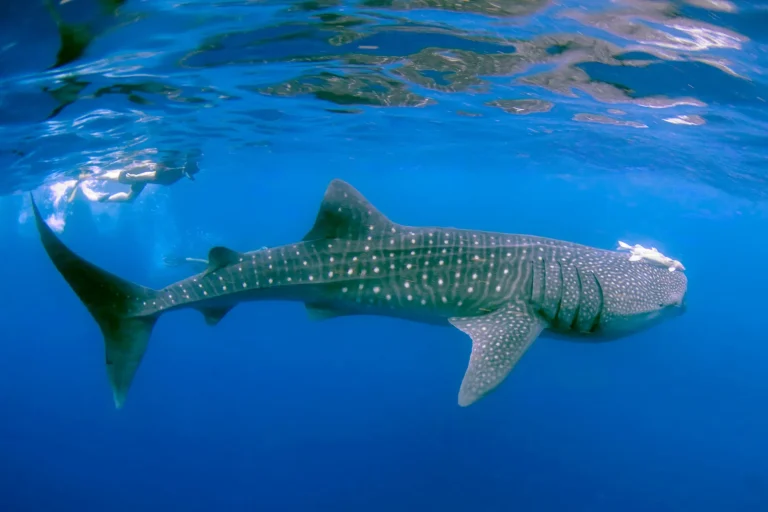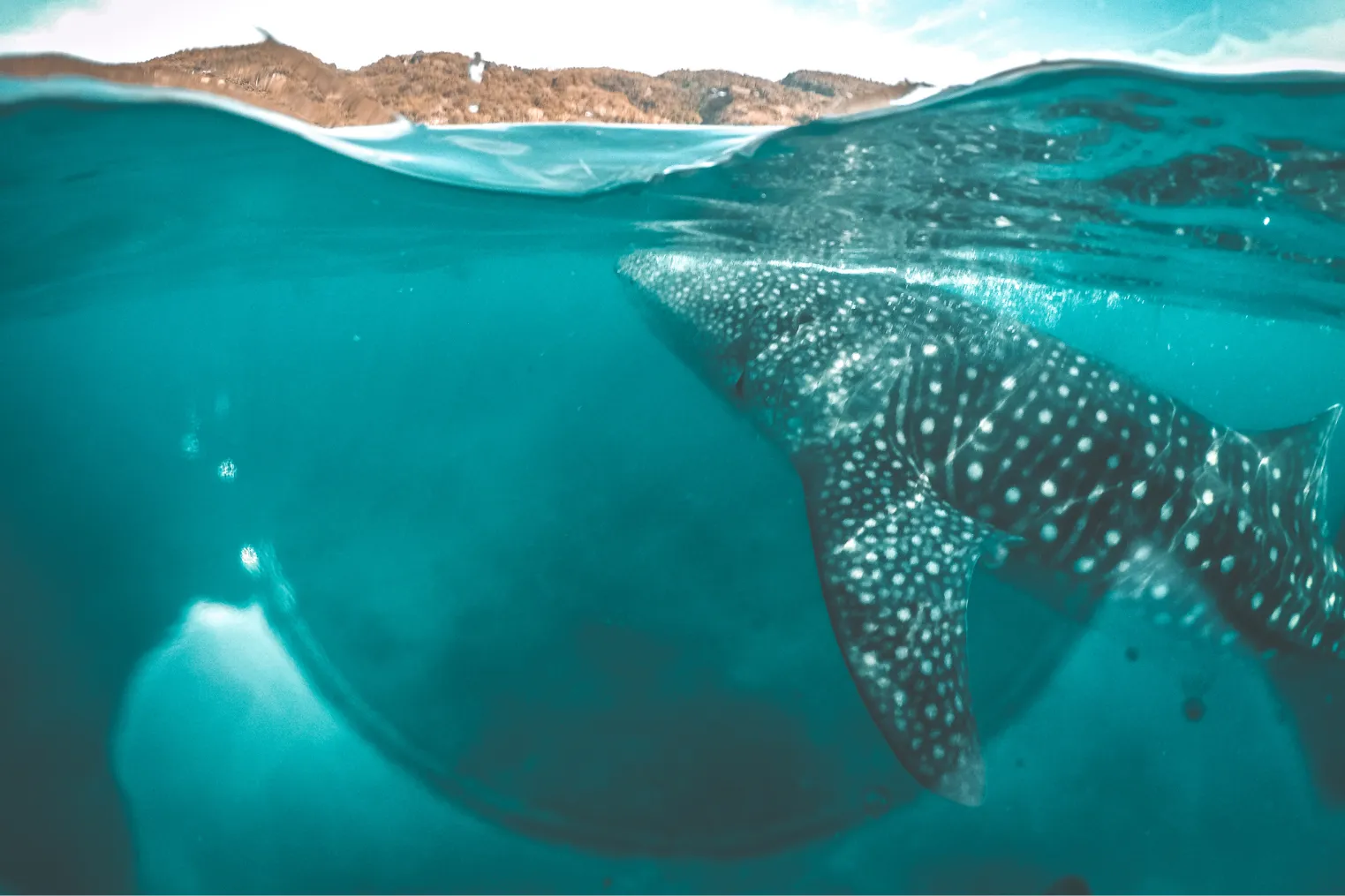
You’re on Oahu’s North Shore, stepping off at Haleiwa Harbor with free parking and salty wind in your face. Now you’ve got a choice. Do you slip into open water for a cage-free drift where you kick, breathe, and lock eyes with sandbars and Galapagos up close. Or do you hold steady in a metal cage, hands on bars, watching shadows glide past while the boat rocks and clicks. Which version sounds like you?
Key Takeaways
- Choose cage-free for an authentic open-water swim; choose a cage for a barrier-backed, more controlled shark-viewing experience.
- Cage-free needs basic swimming, steady kicking, and comfort in swells; cage dives require minimal swimming while you hold the rails.
- Both tours run small groups with strict briefings: no touching, no feeding, slow movements, and clear hand signals.
- Expect Galapagos and sandbar sharks most trips; tiger sharks appear seasonally through November, especially on early, calm mornings.
- Your best fit depends on vibe and confidence: adrenaline and immersion (cage-free) versus stability, easier photos, and reduced effort (cage).
Cage-Free vs Cage in Oahu: Quick Pick
Wondering which shark dive fits you best on Oahu? For Oahu shark diving, pick your vibe fast.
If you want a raw, heart-thumping swim, choose a cage-free shark tour from Haleiwa Small Boat Harbor. You’ll head out with six guests max, drop into blue water, and glide near Galapagos and sandbar sharks, with tiger sharks showing up in season.
For a raw, heart-thumping swim, go cage-free from Haleiwa, six guests max, blue water, Galapagos, sandbars, and seasonal tigers.
You can pivot for photos and watch sharks cruise by like silent submarines.
If you’d rather keep things steady, shark cage diving gives you a solid perch. You don’t need strong strokes or long surface holds. The cage can block angles, but it keeps the view simple.
Either way, you’ll return salty, wide-eyed, and laughing at your own nerves. Bring a towel and curiosity too.
Many tours follow a complete cage-free shark diving guide to help you understand timing, conditions, and what to expect once you hit the water.
Cage-Free vs Cage: Safety, Supervision, Rules
Even if you’re chasing that wild “sharks in the blue” feeling, safety is still the main event on Oahu. On shark diving Oahu trips, you’ll ride out in small groups, usually six guests, and the crew runs the show with calm voices and clear hand signals. You’ll get a briefing on shark behavior, where to look, and what not to do. No touching. No feeding. Slow movements only. Practicing calm breathing before you enter the water can help first-timers stay relaxed in deep water.
In a cage dive, the metal bars add a physical buffer and you can stay steady, knees on the grate as water rushes by. With a cage-free shark swim, in-water safety divers stay close and steer traffic if a shark swings near. Pick licensed operators, go early on light-wind mornings, and follow every safety measures call.
Cage-Free vs Cage: Swimming Skill + Ages
When you choose cage-free on Oahu, you’ve got to swim at least at a beginner level and feel steady in open water, and most tours welcome swimmers ages 5 and up if they’re truly confident.
If you’d rather keep it simple, a cage option asks for little to no swimming skill since you stay behind metal bars on a stable platform, hearing the ocean slap the frame while crew keeps close watch.
Some operators also have health limits you’ll want to check before booking, especially if you have certain medical conditions or concerns.
Your best call comes down to comfort and supervision, so think about seasickness, how easily you float and turn around, and whether your group wants a barrier or the full salt-spray experience.
Swimming Skill Requirements
Because the ocean off Oahu doesn’t care if you’re brave, your swim skills matter a lot more on a cage-free shark dive than in a cage. You need beginner-level swimming ability and you must tread water without help.
On a cage-free trip you’ll enter from the boat, wait on the surface between drops, and deal with swells or current. Snorkel basics make it smoother. Clear your mask, breathe easy through the snorkel, and keep enough stamina while the boat bobs and spray hits your lips. Most operators can provide floatation devices for non-swimmers, but you should confirm what’s included and how they’re used before booking.
Cage diving is the low-effort route. You stay in a submerged cage or on a platform, so little to no swimming skill is needed. If seasickness or medical issues worry you, choose cage diving or call the operator first.
Still comparing Cage Free Vs Cage Shark Diving Oahu: Which Experience Fits You?
Ask for tour ideas, hotel suggestions, or a simple trip plan that combines both.
Trip Helper
Minimum Age Guidelines
Although shark diving off Oahu looks like pure adventure, your age and swim comfort decide whether you’ll do it cage-free or from inside a cage.
For a cage-free shark swim, many crews welcome confident swimmers from about age 5, but kids must handle saltwater splashes, kick steadily at the surface, and follow directions over engine noise. Some operators raise the minimum age for open water trips or ask for parental consent because currents can make the swim feel like a workout.
Cage diving usually fits a wider range of ages, often 5 to 8 and up, and it works for non-swimmers since you hold the bars and watch fins slide past.
On a private charter, crews can tailor the pace and guidance to your group, which can be helpful when you’re deciding what’s age-appropriate.
Whatever you pick, confirm each tour’s Oahu shark diving rules when you book.
Comfort And Supervision
Age limits get you on the boat, but your comfort level decides how much you’ll enjoy the ride once the engines cut and the water turns Hawaiian blue. On a cage-free shark dive, you’ll hop in open ocean and kick, so beginner swimming skills matter.
Many operators take swimmers ages five and up with a parent’s OK, but you still need to handle swells and a mask.
If you’d rather stay dry-ish and steady, cage diving feels like watching a nature show from a porch. You can be a non-swimmer and still see sleek fins slide past the bars.
With small-group capacity, Oahu dives feel calmer and more personal because the crew can focus on coaching and safety instead of managing a crowd.
Small groups, six guests, plus seasoned crews and safety divers keep you close and coached. Listen up, move slow, and you’ll feel the scene click.
Cage Dive on Oahu: How It Works
Settle in for an early run out of Haleiwa Harbor on Oahu’s North Shore, where most cage dives leave in small groups of about six and the ocean air already smells like salt and sunscreen. During cage diving, the captain runs a tight setup. You get an onboard safety talk and learn simple hand signals. Crew hands you a life jacket and sometimes a wetsuit. You step into a submerged metal cage clipped to the boat, so you can float steady and frame photos. Many of the best shark dive experiences in Oahu also offer pickup to make getting to the North Shore easier. You only need basic comfort in water. Expect Galapagos and sandbar sharks. Tigers show up on early, light-wind mornings through November.
| Step | What you do |
|---|---|
| Briefing | Safety talk, gear on |
| Cage | Lower in, hold rails |
| Sharks | Watch Galapagos, sandbar, tigers |
Cage-Free Shark Dive on Oahu: How It Works
Once you idle out of Haleiwa Small Boat Harbor, the North Shore opens up in front of you and the water turns that warm, clear cobalt blue that looks almost fake.
Idle out of Haleiwa Small Boat Harbor and watch the North Shore unfurl, warm, clear cobalt water so vivid it feels unreal.
Your North Shore Shark trip keeps it small, just six guests, so you can hear the captain and safety divers over the engine hum. Before you slip in, professional guides walk you through hand signals, where to float, and how to stay calm in open ocean.
Plan ahead with a simple Kailua day trip itinerary so you arrive on the North Shore with time for parking, check-in, and the ride out of the harbor.
You enter without a cage, so you’ll want beginner swim skills and a steady kick. Kids as young as five can sometimes join.
In the water, handlers keep a tight circle while photographers hover nearby. You’ll feel bright sun on your mask and cage free shark curiosity.
Oahu Shark Species You Might See
Out on Oahu’s North Shore, you’ll most often spot Galapagos sharks and sandbar or gray reef types sliding through the blue, and from now through November you’ve got better odds of a big tiger shark cruising in like it owns the place.
If you’re lucky, you might also catch a glimpse of scalloped hammerheads moving through deeper water off Oahu.
Early mornings and calm seas help, and it’s not rare to see more than one species at once while they circle close with that curious, investigative vibe in clear open water.
You’ll also want quick ID cues for occasional visitors like scalloped hammerheads and white‑tipped reef sharks, because the right fin shape at the right moment can turn a splashy “wait, what was that?” into a confident call.
Common North Shore Sharks
A morning on Oahu’s North Shore can feel like a shark roll call the moment you slip into the blue. You’ll most often meet Galapagos sharks and sandbar sharks, cruising steady at the surface or mid-water, like gray torpedoes in clear sunlit lanes. Sandbar sharks tend to favor shallow sandy channels and will often cruise in loose groups, especially when conditions are calm. Listen for your regulator hiss and watch their tails write slow commas. When Tiger Sharks show up, you usually spot a single big shadow sliding by at its own depth, unbothered and curious.
| Shark | What you’ll notice |
|---|---|
| Galapagos and sandbar | Tight loops near you, calm pacing |
| Tiger | One pass, deeper line, heavyweight swagger |
Now and then, hammerheads or reef sharks drift in near drop-offs or baited sites for a cameo.
Seasonal Sightings By Species
Usually, the calendar matters almost as much as your fins when you’re planning shark time on Oahu.
From now through November, Tiger sharks show up most often, and you’ll boost your odds on early morning trips before breakfast too, when the wind stays light and the surface looks like brushed glass.
If you want steadier action, Galapagos sharks and sandbar sharks cruise the North Shore year-round, so both cage and cage-free dives can deliver.
Hammerheads can appear in certain seasons, but they’re the wildcard, tied to shifting migrations and fickle ocean moods.
In Hawaii, hammerhead sightings tend to be seasonal, with encounters more likely during certain times of year than others.
On a lucky day, a big pelagic may slide in beside several smaller reef sharks, and the mix feels like a live nature show.
Clear, calm water helps.
Rough, murky seas don’t.
Behavior And Identification Tips
Timing gets you on the right boat, but knowing what you’re looking at makes the whole trip click once fins hit the water.
On North Shore trips for shark diving in Oahu, you’ll most often meet Galapagos sharks and sandbar types cruising reef edges and sand flats.
That shark behavior looks relaxed, with stocky bodies, tall dorsal fins, and blunt snouts.
Galapagos sharks are often identified by their tall first dorsal fin and broad, rounded snout, key identification markers when they cruise close in clear water.
Hammerheads show up less and usually deeper, their wide heads impossible to miss.
From now through November you might spot a tiger shark, 10 to 14 feet, with faint bars and a hunter’s glide.
You’ll hear bubbles, boat slap.
- Calm circles mean curiosity
- Rapid bursts mean back off
- Head-on charges follow your guide
- Early morning light wind helps
- Match fins snouts to species
Best Time for Oahu Shark Diving (Conditions)
If you want your best shot at clear water and a tiger shark cruising into view, plan your Oahu shark dive for now through November and book an early-morning departure. That window is the best time for shark sightings because summer brings more light-wind days. You’ll see the surface like wrinkled glass and the ride stays smoother.
Calm seas visibility improves, so you spot silhouettes sooner and watch sunbeams stripe the blue. Mornings beat afternoons for clear water and gentler swells, so many shark diving Oahu charters leave at first light. When comparing departures, morning shark dives usually have calmer conditions and better visibility than afternoons. In winter, shifting winds and bigger swells can turn water murky and bouncy.
Check the marine forecast before booking. Aim for low wind, small swell, and solid visibility reports. Conditions can flip quickly.
Cage-Free vs Cage: What It Feels Like
While both trips put you in the path of serious ocean predators, cage-free and cage shark dives on Oahu feel like two different adventures.
On a cage-free drop on the North Shore, you slip into open water and feel the swell lift your fins. You hear your own breathing and the boat fade. Sharks cruise in arcs, and your first spike of fear can turn into awe. Reputable operators manage real risk with clear briefings, strict diver positioning, and safety protocols designed to reduce surprise interactions.
- You float without a barrier and notice body language.
- You work a bit, kicking and staying with the guide.
- You get an authentic shark encounter, eye level and real.
- You enter a metal cage and feel instant relief.
- You watch close passes with steadier footing and less effort.
Pick the vibe that matches your nerves and energy.
Cage-Free vs Cage: Photos, Visibility, Crowding
After you’ve picked the vibe, you’ll start thinking about what you want to bring home on your memory card. On Oahu’s North Shore, cage-free drops you into open water with crystal-clear, electric cobalt blue visibility most days, so your photos feel wide and unobstructed. You can circle for angles while bubbles hiss and the shark’s skin flashes slate and silver. Sharks may also make slow, curious passes, part of circling behavior that helps them assess what they’re seeing.
| Factor | What you’ll notice |
|---|---|
| Visibility | Cage-free often feels like shooting in blue glass |
| Angles | Cages add bars and tight corners |
| Space | Small groups, max 6, cut crowding |
| Timing | Big cage groups create camera traffic |
Even with onboard photographers on both trips, cage-free shots usually look more natural because nothing sits between lens and shark. If you want clean frames, pick your moment and drift.
Cage-Free vs Cage: Seasickness + Boat Ride
Usually the seasickness story starts before you even spot a fin, right at Haleiwa Harbor near the old Haleiwa Bridge where most North Shore shark trips push off.
You’ll hear the engine thrum as you clear the channel and head for Haleiwa North Shore.
Summer can feel smooth, while winter swells can toss you around, so calm mornings help most.
Boat ride conditions can change fast, so pay attention to roughness on the way out to the shark site.
- Watch the horizon, not your phone
- Stay on deck for fresh air
- Avoid lying down once you feel queasy
- Skip heavy meals before boarding
- Pick cage diving for a low, steady perch; cage-free means more climbing and water entries
Groups cap at six, so the briefing’s fast, and you can steady yourself before open water.
Consider OTC remedies or patches if you’re nausea-prone today.
What to Pack for Oahu Shark Diving
The boat ride out of Haleiwa can feel like a gentle cruise or a quick bounce over chop, so packing smart keeps you comfortable before you even see that first shadow in the blue.
Wear your bathing suit. Add waterproof sandals, a towel, and a light sweatshirt for the 30 to 45 minute ride.
At check-in, you’ll typically go through a brief safety overview before heading to the harbor for the boat ride.
Use a small dry bag for phone, wallet, and keys, or leave valuables behind. Crews supply mask, snorkel, and fins, but your own may fit better.
Bring a GoPro, batteries, and a float tether for shark diving photos on Oahus North Shore. Apply reef-safe sunscreen before boarding so your mask won’t fog.
If you get queasy, take motion meds. Skip jewelry. A rash guard helps with sun and stray stings.
Haleiwa Harbor Meet-Up + Free Parking
Just beyond the iconic Anahulu (Haleiwa) Bridge, you’ll meet your boat at the northern-facing Haleiwa Harbor in historic Haleiwa town. Free parking sits close in the town center, so you can step out, hear rigging clink, and smell salt on the breeze. If you’re skipping a rental car, there are car-free options to reach Haleiwa for shark diving. From Honolulu’s airport, plan about 45 minutes by the quicker H‑1 route or take the longer east-side drive for views.
- Arrive early for paperwork and the shore briefing
- Pack a light jacket or umbrella for surprise squalls
- Use a dry bag for phone, keys, and wallet
- Expect a six-guest charter for hands-on guidance
- Return to Haleiwa Harbor after your shark dive with Hawaii Shark, then grab coffee, galleries, or surf
You’ll check in near the pier, then board fast, tidy boats today.
Oahu Shark Diving Tours: Prices + Who It’s For
From Haleiwa Harbor, you’re only minutes from blue water and a big decision that shapes the whole morning: cage-free or cage.
On the North Shore, cage-free shark dives usually cap at six guests and run about $120 to $150 per person, with season and add-ons shifting the total. You slip into clear water, hear your breath, and track the shark’s shadow as the boat rocks nearby.
Cage options start around $120 to $145+ and suit non-swimmers or anyone who wants a steadier platform behind steel bars. Many operators include snorkel gear and a photographer, but some charge for photos or set GoPro rules, so read your shark tour confirmation. In many Oahu tours, the most commonly seen species is the Galapagos shark. Book early mornings and light-wind days for better sightings, especially through November for tigers too.
Frequently Asked Questions
Do I Need to Tip the Crew, and How Much Is Customary?
Yes, you should tip; crew gratuity is customary. Follow percentage guidelines of 15–20% or about $20–$50 per person on small charters, higher for extra help. Honor cash preference with small bills; ask about pooling afterward.
Are Reef-Safe Sunscreen or Other Product Restrictions Enforced on the Boat?
Yes, operators police you: reef safe policies get reviewed at safety talk, and product ban enforcement ranges from reminders to confiscation of sprays, scents, or jewelry. You’ll use reef friendly alternatives, applied 15–20 minutes pre-boarding, usually.
What Happens if Weather Cancels, Refund, Reschedule, or Credit Options?
If weather cancels, you’ll get a full refund, same-season reschedule, or credit, check the operator’s weather policy at booking. Captains often decide morning-of. Refund options may take 5–10 business days; reschedule flexibility typically runs 24–90 days.
Can I Bring My Own Gopro or Drone, and Are Permits Required?
You can bring your GoPro for personal footage if you follow attachment, no-flash, and equipment sanitization rules. You can’t fly drones from most boats; shore flights may need FAA and filming permits, limiting legal liability.
Is Shark Diving Safe During Pregnancy or With Certain Medical Conditions?
Even if you feel fine, you shouldn’t shark dive while pregnant; pregnancy precautions matter. If you’ve got issues, uncontrolled hypertension, recent surgery, or seizures, skip it unless you secure medical clearance and discuss scuba adaptations.
Conclusion
You’ve got two great ways to meet Oahu’s sharks, and you can’t really lose. Go cage-free if you want salt on your lips, fin shadows sliding past, and your own steady kick in blue water. Pick the cage if you’d rather hold the rail, breathe easy, and watch through metal bars as the boat hums. Either way, you’ll see Galapagos and sandbars up close. The choice is yours, and the rest is gravy.