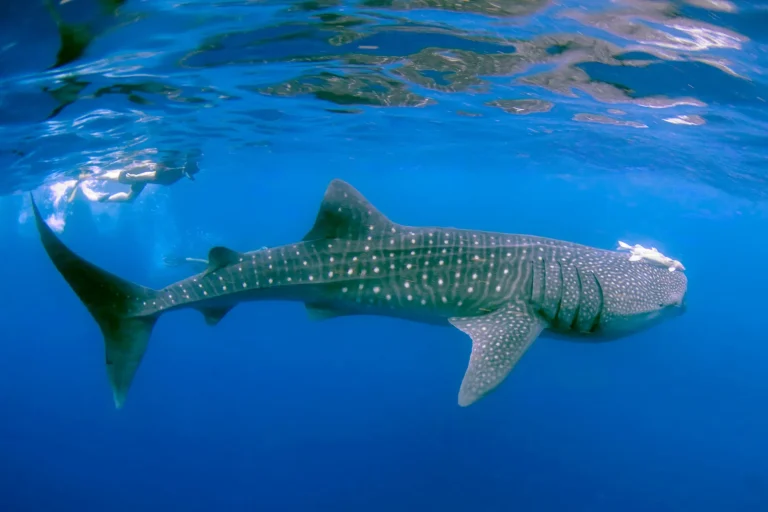
You don’t have to be a strong swimmer to meet a shark, but you do have to pick the right setup. On Oahu’s North Shore, you can choose a cushion-seated cage with crew help, stay dry as a shaded-deck observer, or take an escorted entry with buoyancy aids. You’ll still step over a gunnel and climb a ladder, so you’ll want to flag mobility needs early. Book a 6 to 7 a.m. weekday slot for calmer water and cleaner views, because the wind likes to wake up late… and so do the waves.
Key Takeaways
- Choose the earliest 6–7 a.m. trip (6 a.m. in summer) for calmer seas, clearer water, and a less rushed pace.
- Plan 1.5–2 hours total with about 30 minutes in the water; check in at Haleiwa Harbor 30 minutes early.
- Cage diving is most senior-friendly: you sit and hold a ladder in a moored cage, with minimal swimming required.
- Ride-along options let you stay dry on deck under a canopy, still seeing fins and splashes without entering the water.
- Tiger shark sightings are strongest from now through November, especially on early, light-wind mornings.
Is This Oahu Shark Dive Senior-Friendly?
If you’re 65 or older and wondering whether an Oahu shark dive will feel doable, the setup is more senior-friendly than you might expect.
Oahu Shark Diving runs 1.5 to 2 hours and goes daily year-round except Christmas. You’ll check in about 30 minutes early and may start at 6 or 7 a.m., when the harbor feels cool and quiet. Before departure, there’s a clear check-in process that walks you through what to expect from the dock to the boat.
On the 32 to 42 foot boat, you get cushioned seating and a shady canopy, plus help as you board at Haleiwa Harbor. In the water, the cage or guided swim can drop up to three times for about 20 minutes each. Most guests do one drop. Masks and snorkels are ready, fins optional.
Pick light-wind mornings for smoother seas, especially now through November.
Who Should Skip It (Health and Mobility Red Flags)
You should skip this trip if your heart or breathing issues aren’t well controlled, if you’ve had a recent heart attack or stroke, or if fainting is a risk, because you’re on a rocking boat with limited quick medical help.
If you have asthma or another medical condition, ask in advance about their medical clearance requirements and what onboard support they have if symptoms flare.
You also shouldn’t go if you can’t manage a short ladder or lower yourself over a rail, since you’ll need steady legs on wet deck boards and the ability to swim or tread water while the ocean slaps the hull.
If seasickness or vertigo knocks you flat even with meds, trust that warning, because queasy balance and slick surfaces don’t mix and nobody wants a watery pratfall.
Heart, Breathing, Or Fainting Risks
While the cage dips and the boat rocks in the bright Oahu sun, a shark dive can feel like a thrilling workout in salt air, and that’s exactly why a few health and mobility red flags matter.
If you’ve had a recent heart attack, unstable angina, or uncontrolled heart failure, skip it. The rush and chop can push your heart harder than you expect.
Your breathing changes with a snorkel. If you have severe COPD, need oxygen, or had pneumonia lately, you could get breathless fast and even faint.
A past seizure, frequent fainting, or a stroke in the last year is another no go. Some meds that drop blood pressure or cause dizziness can turn excitement into trouble, so talk with your doctor. If you’re pregnant, note that some operators have pregnancy policies and may recommend safer, lower-stress alternatives instead of a shark dive.
Mobility Limits And Seasickness
Big thrills on the North Shore also come with plain old boat mechanics. Seniors with limited mobility, recent surgery, severe arthritis, or balance trouble should skip shared trips. Boarding a 32–42-foot boat means stepping over gunnels, gripping ladders, and staying upright on a rolling deck. If you can’t climb ladders or stand steady, the ocean will notice. If the captain cancels due to rough seas, treat it as a safety call and plan to reschedule rather than trying to push through.
| Red flag | Why it matters |
|---|---|
| Motion sickness | A 3–4 mile ride can turn the horizon into a blender |
| Limited mobility | Getting in and out of the water may feel like a gym test |
If you’re prone to vertigo, uncontrolled nausea, or inner-ear issues, SWIMMING WITH SHARKS can wait for a calmer day or a private charter. If your conditions are controlled ask your doctor and tell crew.
Still comparing Shark Dive Oahu For Seniors: Comfort, Entry Methods, And Best Times?
Ask for tour ideas, hotel suggestions, or a simple trip plan that combines both.
Trip Helper
Tour Basics: Duration, Check-In, and Haleiwa Harbor
You’ll spend about 1.5 to 2 hours total from check-in to finish, with roughly 30 minutes in the water, and the morning light at Haleiwa Harbor feels cool and quiet as lines tap the docks.
You’ll check in 30 minutes early for the 7:00 a.m. departure, or 6:00 a.m. in June through August, so plan to arrive before the coffee fully kicks in.
Aim to follow the check-in times closely so your group can get set before boarding.
From Haleiwa, the boat heads 3 to 4 miles offshore to the moored cage or snorkeling area, and those early 6 to 7 a.m. runs usually bring the calmest seas for seniors.
Tour Duration And Timeline
Because the best shark days often start early, this tour keeps the timeline simple and senior-friendly from the moment you arrive at Haleiwa Harbor.
Plan to be there 30 minutes before your tour time, then settle in for about two hours total from start to finish.
The boat hums out 3 to 4 miles offshore, where you’ll feel the air cool and taste salt on your lips.
You get roughly 1.5 hours on the water, with about 30 minutes of snorkeling or freediving alongside sharks.
After check-in at Haleiwa Harbor, you’ll board near the public boat ramps, where free parking is typically available close by.
Tours run daily year-round except Christmas Day.
The first trip leaves at 7:00 a.m., or 6:00 a.m. in summer.
Mornings usually mean smoother seas.
If you want an afternoon slot, ask by phone or email per person to confirm.
Check-In At Haleiwa Harbor
Start things off at Haleiwa Harbor by checking in 30 minutes before your tour time, then take a breath and enjoy the easy harbor buzz. You’ll hear lines tapping masts and catch coffee from town. The check-in at haleiwa harbor sets the pace, and from that moment to splashdown and return you’re looking at about two hours.
On the day of your tour, aim for a morning slot. Tours run daily year-round except Christmas Day, with the first boat at 7:00 a.m. or 6:00 a.m. in June through August. Calmer seas mean steadier footing and higher shark odds. You’ll ride 3 to 4 miles offshore to the cage or snorkel site, so bring any mobility aids. Departures on Oahu also commonly use specific harbors and ramps as meet spots, so confirm your exact location when you book.
Need an afternoon departure? Call or email ahead.
When Is the Calmest Time to Go?
Often, the calmest shark dive on Oʻahu happens at dawn, when tours roll out around 6 to 7 a.m. and the harbor feels quiet except for gulls and the soft clink of gear.
On the North Shore, that time usually brings the lightest winds and a flatter surface, so you’ll feel steadier in the cage and on deck.
This Sunrise Shark Dive early-morning timing can make the ocean feel like a calmer, more comfortable encounter.
For the gentlest conditions and crisp visibility, aim for summer through late fall, now through November.
Book the earliest slot you can, then check the wind forecast before you go.
If trade winds or swell look strong, call and ask for a calmer date.
Weekdays often feel less rushed.
Your Haleʻiwa Harbor charter lasts about 1.5 to 2 hours, with roughly 30 minutes in the water.
Why Early-Morning Departures Are Smoother
While the rest of the island’s still rubbing sleep from its eyes, the first shark dive boats slip out of Haleʻiwa Harbor around 7 a.m., or closer to 6 a.m. in summer, and you can feel the difference right away.
The air’s cool, the engines hum softly, and the swells tend to behave because winds are usually lightest now. That means calmer seas and a steadier ride, so your stomach has fewer complaints and your seasickness plan works.
These earlier runs also help you better assess boat ride conditions before winds and afternoon chop build.
You’ll need to check in 30 minutes early, so set alarms and expect Waikiki pickups near 5:45 a.m.
The payoff is real: clearer water for snorkeling, and odds of tiger shark sightings through November. Operators run early-morning departures first, so grab the earliest slot you can.
Cage vs Ride-Along: What’s Easiest for Seniors?
If you want the easiest path, you’ll likely feel best in a shark cage where you can sit steady and grip the ladder while the ocean taps the bars and you float through up to three 20-minute drops with almost no swimming.
If you’re curious about logistics, a private shark dive charter on Oahu typically walks you through safety, gear, and entry steps before you go in.
If you’d rather keep it simple, you can choose a ride-along and stay on deck where the breeze is cool and you still hear the splash and see fins slice the surface.
Next, you’ll compare how your body handles each option and how staff help with boarding and entry so you can pick what feels most comfortable and accessible.
Physical Effort Comparison
Because you’re here for the sharks, not a workout, it helps to know how the effort breaks down between a cage dive and a ride-along.
Ride-along observation is the lightest option. You stay on deck, watch the slick backs slice the water, and you don’t suit up or climb into the sea.
Cage Diving asks a bit more, yet it’s still senior-friendly. The crew lowers a boat-deployed cage that fits up to eight people. Once you step in, you just hold the rails and breathe through a mask and snorkel. No fins, no kicking, and only one drop that lasts about 20 minutes. Most operators also include your snorkel gear in the price and what’s included, so there’s usually less to bring and manage onboard.
For your first time, pick a morning departure. Calmer water means less bracing while you move around the boat at all.
Comfort And Accessibility
Even on a trip built around big sharks and bigger grins, comfort matters most once the boat leaves Haleʻiwa Harbor and the wind picks up.
If you want the easiest Shark dive, choose the cage. You step from the deck into a moored cage, not a long swim. The crew steadies you, and you get one 20 minute drop. Boats usually have canopies and cushioned seats, plus masks and snorkels are ready to go.
If you’d rather stay dry, book a ride along. You still watch the action, hear the splash, and feel the ocean thrum without getting in.
Cage-free options can feel more adventurous, but they usually require stronger swimming and comfort in open water than cage diving.
Go early, with 6 to 7 a.m. departures, for calmer seas.
Need Waikiki transport? Confirm pickup times and mobility help when you book in advance.
Step-by-Step: Getting From Boat to Water
Settle into the boat’s cushioned seat under the canopy, then listen as the crew walks you through the exact move from deck to water.
Check in 30 minutes before the 7 a.m. run, or 6 a.m. in summer, so you catch the demo of mask, snorkel, and the entry order.
For a cage dive, you grip the stable ladder and step down into the moored cage for one 20-minute drop.
For a cage-free snorkel, you hold a rope line and slide in face-first or take a controlled stern step.
Before anyone enters, the crew reviews hand signals and spacing rules so you know exactly how to communicate and where to position yourself.
- Ask for assisted entry and a buddy hand.
- Keep one hand on the rail until told.
- Return via ladder or platform, then grab warm towels. That clear routine Made me feel safe.
Non-Swimmers: Can You Still Join the Tour?
Start with the good news: you don’t have to be a strong swimmer to join many Oahu shark snorkel tours. You’ll get a mask and snorkel, and Safety divers stay close so you can focus on breaths and the drop-off below.
If you’re one of the non-swimmers, you still need to float and follow simple directions. Many boats keep you near the hull, with a secure rope or ladder attachment so you can hold on during the 20 to 30 minutes in the water. Ask when you book for a buoyancy vest, life jacket, or noodle so it’s waiting for you.
Can’t swim at all? Some companies offer boat-only options so you can stay on the boat and still watch the action. Call ahead, since some operators allow a boat-only ride-along. Pick the earliest morning trip for calmer seas and entry.
Safety Setup: Lines, Crew Assist, and Briefing
Pull up to the dock and you’ll notice how the safety setup comes together fast. For your Shark Tour, you check in 30 minutes early, and the crew sizes up any medical needs. Then you get a clear briefing on hand signals, what sharks may do, and how crew assist works for entry and exit.
Onboard, a shaded canopy and cushioned seats feel like a small lounge, not a test of your hips. Before leaving the dock, the crew also confirms life jackets and reviews who does what during entry, exit, and any unexpected situation.
- Follow the rope line to the edge and pause for a steady step-down.
- Let crew fit your mask and snorkel, then guide your grip on the ladder.
- Trust the licensed captain topside and safety divers in the water to watch breathing, steer you, and redirect curious sharks nearby.
Motion Sickness Tips for Shark Tours
Although the boat ride out to the shark site feels like a breezy mini-cruise, motion sickness can sneak up when the swells get playful.
Book the earliest morning charter for your tour, since seas often stay smoother at 7 a.m. and even earlier in summer.
Take meclizine or use a scopolamine patch as directed, and skip alcohol the day before.
On the ride, claim a seat mid-boat under the canopy, then lock your eyes on the horizon while the engines hum.
For extra stability, keep your head as still as possible and avoid reading or scrolling, which are common motion sickness triggers on small boats.
Drink water, and eat a light low-fat snack before boarding.
Pack ginger candies or wrist acupressure bands so you don’t bring strong smells aboard.
If you’re very prone, tell the crew and review the cancellation policy before you plunge into the clear blue.
Best Time to See Tiger Sharks on Oahu
Once you’ve got your sea-legs plan in place, you can focus on the real prize: timing your charter for the best chance at spotting a tiger shark off Oʻahu. The strongest window runs now through November, with sightings rising in summer and holding into late fall. For the best shark diving experience, set your alarm. The first boats often leave at 7 a.m., or 6 a.m. in June through August, when the ocean feels like cool glass and the horizon is quiet. August trips can also bring bigger crowds, so lock in your date early if you want that calm first-boat feel.
- Book the earliest slot weeks ahead.
- Pick light-wind days for calmer seas and clearer water.
- Stay patient. Sharks are wild and sightings aren’t guaranteed.
You’ll hear the cage chains clink and see sunbeams cut deep when conditions line up.
If No Tiger Sharks: Galapagos and Sandbar Sharks
If the tigers don’t show, your dive still delivers the good stuff.
On many Oʻahu trips you’ll meet Galapagos sharks, sandbar sharks instead, and they don’t feel like a consolation prize. Galapagos sharks often cruise in loose packs, gray backs flashing under the surface. They’re commonly mistaken for sandbars, but a taller first dorsal fin and a more robust build are key Galapagos shark identifiers in Oʻahu waters. On busy tours you might count five, eight, or more circling with calm purpose.
Sandbar sharks are common too. They’re usually smaller than tigers, but still thick-bodied and confident. They may glide right up to the cage or your fins, close enough to hear your own breathing get louder. Their steady, predictable passes make the viewing feel safe and surprisingly serene. Book an early-morning slot on a light-wind day, and you’ll stack the odds for clear water and repeat visits today.
What to Bring for Comfort (Sun, Warmth, Photos)
Since you’ll spend about 1.5 to 2 hours out on open water, a few comfort items can turn your shark dive from “tough it out” to “I could do this all morning.” Bring a lightweight long-sleeve UV rash guard and a broad-brimmed hat, because the early sun still hits hard and reflects off the sea like a mirror.
- Apply SPF 50+ reef-safe sunscreen 30 minutes before check-in.
- Pack a quick-dry towel and a light fleece for the ride back.
- Bring a compact waterproof GoPro, or buy the operator’s 1080p video to replay your swim with sharks.
For extra comfort and safety, consider packing a snorkel mask so you can keep your face in the water without swallowing spray between sightings.
If you’re prone to seasickness, take a patch and a chewable snack between Diving drops.
You’ll hear the cage rattle and see silver bubbles rise.
Frequently Asked Questions
Do You Offer Private Dives or Small-Group Options for Seniors?
Yes, you can book Private charters or small-group trips capped at 6–8 guests, and you’ll get Senior focused itineraries with flexible morning departures. Tell us about mobility needs, and we’ll arrange gentle assisted entry and exit.
Are There Weight Limits or Size Restrictions for Wetsuits and Gear?
You won’t find strict weight limits; you’ll usually fit standard wetsuit sizing, and staff will size you up. Tell operators your measurements early so they can guarantee comfort, thermal insulation, and mobility, or arrange alternatives.
Can I Use My Own Prescription Mask or Hearing Aids During the Tour?
Like putting on glasses at dawn, you can bring your prescription mask, crew checks prescription compatibility at check-in. You can wear hearing aids on boat, but you’ll remove them in-water for hearing aid protection unless waterproof.
Is There a Restroom on the Boat, and How Accessible Is It?
Yes, you’ll have an onboard restroom (marine head) on 36–42 ft boats. Boat layout keeps it on the cabin deck, reachable with minimal steps. Restroom accessibility isn’t wheelchair-ready, but crew’ll assist. Use it before check-in ends.
What Is Your Cancellation Policy if Weather Changes or I Feel Unwell?
You’ll get Weather refunds if we cancel for unsafe conditions (tour fees only; transportation nonrefundable). If you feel unwell, cancel 24+ hours ahead for full refund; otherwise full fare. Ask about Medical rescheduling at check-in.
Conclusion
You’ll leave Haleiwa Harbor early and feel the ocean behave like it’s still half asleep. You’ll step over the gunnel with a steady hand from the crew and settle into a cushioned cage seat. Or you’ll watch from the shaded deck with salt air and camera ready. The ladder is a small adventure, not a test. Bring a warm layer and simple seasick prep. If tigers don’t RSVP, sleek Galapagos and sandbars often do.