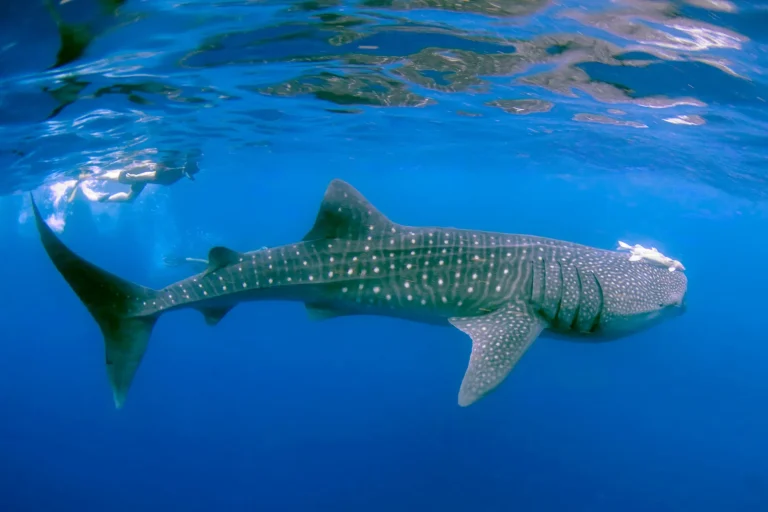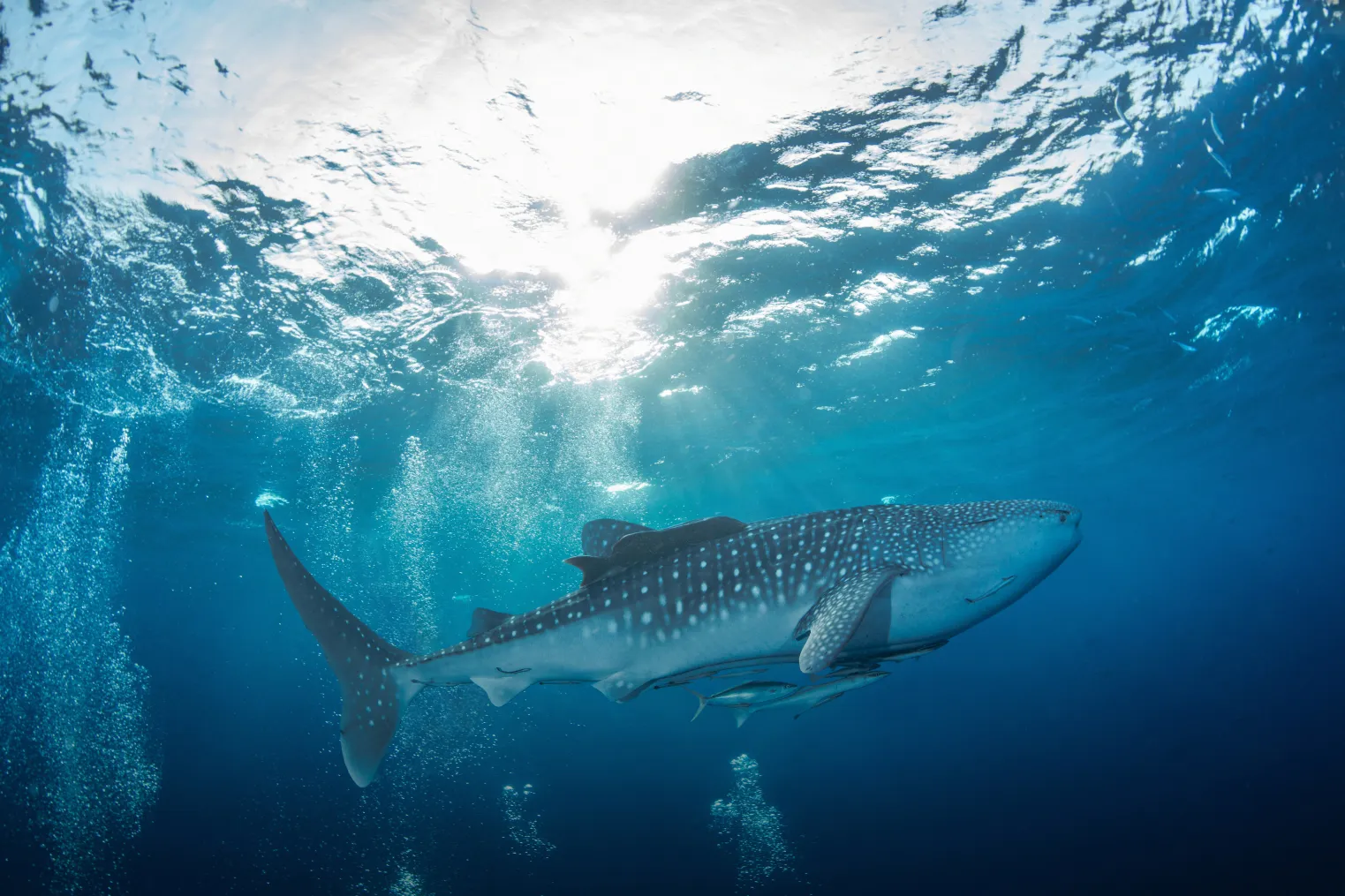
If you’re craving a little ocean therapy with teeth, Shark Dive Oahu fits the bill. You show up solo, meet a small group of four to six, and get quick names and signals before the engine hums offshore. A trained safety diver stays close, and you keep a calm 2 to 3 meter buffer as sleek shadows slide through blue water. Want the best shots without wrestling a GoPro? Wait until you hear how they set it up.
Key Takeaways
- Solo travelers join small groups with a 6:1 max swimmer-to-safety-diver ratio, often fewer, for close supervision and confidence.
- A licensed captain, marine biologist, and trained safety diver lead every trip, with clear briefings, hand signals, and practiced entry/exit routines.
- Cage-free surface snorkeling requires only basic comfort; flotation, float lines, and boat-only viewing options support non-swimmers or nervous guests.
- Social vibes are easy: round-robin introductions cover names, hometowns, and skill levels, helping solo guests connect quickly onboard.
- Photos are simple: rent a wearable GoPro or choose a crew-shot pro package, with wrap-up time for swaps, shark IDs, and debrief details.
Is Shark Dive Oahu Safe Solo?
Even if you’re traveling solo, a shark dive out of Haleiwa can feel surprisingly calm once you see how the crew runs it.
Even solo, a Haleiwa shark dive feels calm once you see the crew’s steady, confidence-building rhythm.
One Ocean has kept a 100% safety record since 2010, and you’ll ride with a licensed captain plus a trained marine biologist and safety diver.
Groups stay small, about 4 to 6 guests per diver, so you won’t feel like a lost fin in the crowd.
Safety divers get in first, stay close, and guide you with simple hand signals.
If you want out early, they’ll escort you without fuss.
The 33 ft Mano Kai or Niuhi feels steady underfoot, with crew who handle the logistics.
Before you book, run through a quick operator checklist to confirm things like small group sizes, trained in-water supervision, and clear safety procedures.
For Shark Diving and Oahu Shark Diving photos, rent a GoPro and get guided help.
What Happens on the 2-Hour Tour?
Once you feel how organized the crew is, the whole 2-hour trip starts to look less like a stunt and more like a smooth little ocean mission. You check in at Haleiwa Harbor, hit the restroom, then board the stable 33 ft Mano Kai or Niuhi. Gear comes sanitized, and storage stays tidy. Freshwater showers make reset easy. The boat ride out is steady and gives you a few minutes to settle in while the crew does a final safety check before the action starts.
| Moment | What you do | What you notice |
|---|---|---|
| Briefing | Learn shark signals and rules | Clear cues, calm jokes |
| Encounter | Snorkel in a 6:1 group or watch | Fins at the surface, blue hush |
| Wrap-up | Rinse off and swap stories | Research updates, photo options |
Safety divers drop in first and exit last. During Shark Diving,Oahu, you can shoot with your GoPro or rent one, then leave salty and grinning.
Do I Need to Be a Strong Swimmer?
How strong do you need to be in the water to join a shark dive on Oahu? You don’t have to be a lap swimmer.
Most Shark Diving trips are snorkel-only, and the crew shows you breath and fin tips before you slide in. You do need basic snorkeling comfort because you’re offshore 250 feet down, with chop or current that can tug at your mask strap.
Many operators also provide flotation devices so non-swimmers can stay comfortably on the surface while holding the line.
- Hold the float line for a steady handhold
- Rely on Safety Divers who enter first and exit last
- Expect small groups, often 4–6 guests per diver, max 6:1
- Wear a wetsuit or rash guard for buoyancy and warmth
If the ocean feels rowdy, you can watch from the boat and hear the action.
Can I Go Without Scuba or Freedive Skills?
Because this shark dive on Oahu happens at the surface, you can join without SCUBA training or serious freedive skills. You’ll use a mask and snorkel then learn a few freedive basics in a quick briefing before you slip in. Safety divers and a marine biologist escort every swim entering first and exiting last with six guests per safety diver.
If you feel wobbly grab the safety line or holding spots by the boat. You can also choose stay on the boat and watch fins slide by in the blue. For a smoother Shark Dive, bring reef safe sunscreen, a rash guard or wetsuit, and consider Dramamine the night before. You’ll practice steady calm body language and keep 2 to 3 meters for a better Shark diving experience.
Still comparing Shark Dive Oahu For Solo Travelers: Safety, Social Vibes, And Photos?
Ask for tour ideas, hotel suggestions, or a simple trip plan that combines both.
Trip Helper
Cage-Free vs Cage Shark Diving on Oahu?
When you choose cage-free or cage shark snorkeling on Oʻahu, you’re really choosing between two safety systems: trained safety divers reading shark body language in open water, or a floating plexiglass or metal cage that keeps you fully separated.
You’ll also notice the experience and photo access feel different, since cage-free puts you in small groups at the surface with your own fins in the water, while cage trips can let you stay dry and still press your mask to a clear window for that eye-to-eye moment.
Both can teach you plenty, but cage-free tours often skip chum and add ID photos and briefings for conservation, while cage tours focus on steady close viewing with the comfort of a firm barrier that doesn’t talk back.
Many operators also include a pre-dive safety briefing that sets expectations for surface positioning, hand signals, and how guides manage the group around sharks.
Safety Protocols Compared
Although both options put you face to face with sharks off Oahu, the safety setup feels totally different the moment you arrive on deck.
In cage-free, you slip into blue water while a safety diver drops in first and climbs out last. You stay at the surface, keep about 2 to 3 meters, and the team uses hand signals to nudge curious sharks away. In shark cage diving, you step into a floating cage with plexiglass windows and a top hatch, so the barrier does most of the work and you can stay mostly dry. First-timers and nervous swimmers often prefer the physical barrier of a cage because it can feel more controlled.
- Cage-free: typical 6:1 guest to safety diver ratio
- Cage-free: passive redirection, no grabbing or poking
- Cage: physical separation reduces close contact
- Both: no chumming, trained crews, steady platforms
Experience And Photo Access
If you’re chasing that “did that really just happen?” photo moment off Oahu, your best choice comes down to how you want to see the sharks. Cage dives keep you in a floating cage, looking through plexiglass windows. You’ll get steady framing and you can stay mostly dry when the wind kicks up.
Cage-free Shark diving tours put you in snorkel or freedive mode only. Safety divers drop in first and leave last. On a private shark dive charter, the crew typically walks you through what the boat setup is like and how the in-water rotation works before anyone enters the ocean. They manage Shark Encounters and keep a 2 to 3 meter buffer, so you can shoot eye to eye images without crowding. Small groups, usually 4 to 6, give you more water time and quick tips for flattering angles. Bring your GoPro or rent one, or book a pro package too
Education And Conservation Focus
That epic shark shot feels even better once you know what you’re looking at out there. On One Ocean’s cage-free snorkel dives, marine scientists coach you in real time. You don’t use SCUBA, chum, or cages, so the water stays clear and the sharks act like themselves. You learn body language, biology, and why mano can be an ʻaumākua. Shark diving can also be a gateway to ocean stewardship through simple, everyday ways to give back.
- Watch passive, non-invasive approaches up close
- Compare cage-free immersion with plexiglass cage viewing
- See shark ID photos and research notes shared onboard
- Leave with Shark conservation steps like plastic cuts and HB553 support
Your ticket also funds beach cleanups, Pelagic Program data, and named shark sponsorships. It’s an Educational Shark experience with a salt-spray grin. You’ll hear fins swish under hull.
How Small Groups (4–6) Help Solo Guests
Step onto the boat and you’ll notice the difference fast: a small group of 4–6 feels more like a guided adventure than a crowd. You hear fins tap the deck, smell salt, and get coaching tuned to you. With a 6:1 guest ratio, you’re not just another mask in the lineup during Shark Diving. A small capacity also boosts one-on-one coaching because guides can spot issues early and adjust instruction before you even enter the water.
| Deck | Water | Camera |
|---|---|---|
| Quiet bench seat | Windowed cage turn | Clean frame |
| Easy chat circle | Longer in time | Quick photo swap |
| Name known fast | Eye level pass | Extra attention |
Fewer people share the cage and escort, so you snag more face to face moments. The vibe turns friendly fast. You’ll trade snorkel tips and laugh at the first splash, then leave with sharp shark shots. On deck, there’s room to breathe.
Who Are the Safety Divers (and What They Do)?
You’ll meet the safety divers before you even zip your wetsuit, and you’ll hear how they’re trained by Ocean Ramsey and Juan Oliphant to read sharks like you read a street sign.
Before you enter, they’ll also walk you through key hand signals and spacing rules so everyone stays predictable and calm in the water.
In the water, they go in first and come out last, keep about a 6:1 guest ratio, and use calm body-language moves to guide you and gently redirect sharks without chum or drama.
When a shark swings a little close, they slide between you and the animal, signal for a clean 2 to 3 meter buffer, and keep the scene quiet except for your own bubbles.
Safety Diver Training
Before you ever slip into the blue off Oahu, the safety divers have already set the tone.
You’re guided by marine scientists and pro shark handlers trained by Ocean Ramsey and Juan Oliphant, backed by a 100% safety record since 2010.
Training drills you on shark body language so you can spot calm cruising versus amped-up energy, and it sticks to science: no chum, low noise, and no neon swimsuits stealing the show.
They also run through life jacket checks and clarify crew roles and procedures on the boat so everyone knows exactly what to do before anyone enters the water.
You’ll see them practice:
- guest readiness checks and clear briefings
- smooth entry and exit routines
- emergency response roles and signals
- research habits, like ID photos and behavior notes
With up to six guests per diver, you get close attention before your fins even splash for solo travelers.
In-Water Shark Management
While the boat rocks gently outside Oahu’s blue edge, the safety diver becomes your calm anchor in the water.
You meet a pro trained by Ocean Ramsey and Juan Oliphant, often a marine biologist, and they’ve kept a 100% safety record since 2010. They drop in first, scan the deep, then wave you down in small groups. With about a 6:1 guest ratio, you get close coaching and a steady hand if the swell bumps you.
In the water, the Shark safety diver stays between you and the sharks. They use calm posture and redirection, no poking, no drama.
Shark Tours follow science: no chum, low noise, muted colors, and you watch from 2 to 3 meters. Choosing operators with no-chum practices is one of the clearest signs of ethical shark diving in Oahu. If a shark looks stressed, you’re out.
Shark Body Language You’ll Learn Onboard
Once you slip into the water off Oahu, the crew starts teaching you how to read a shark like a weather report. You practice body language cues while the boat hums and beads on your mask. A calm glide with level posture usually means it’s just checking you out. When the mood shifts, guides watch eyes, mouth gape, and speed so they can wave you back or call the exit ladder. They’ll also remind you that move calmly in the water helps you follow ocean etiquette around sharks and keeps the encounter steady.
In Oahu’s water, the crew teaches you shark body language, calm glides, shifting eyes and speed, so they can guide you back to safety.
- Slow, steady lateral cruising equals relaxed investigation.
- Nose-down, slow approach with loose pectoral fins signals curiosity.
- Rapid tail beats, arched back, or head swings mean agitation, so you widen space.
- Tight circles, darts toward bait, or raised fins trigger a reset by safety divers.
This builds your understanding of the ocean fast today.
What Sharks You Might See Off Oahu?
Reading posture and tail beats gives you the mood check, and then the fun question lands fast: who’s actually showing up today off Oʻahu’s North Shore?
Most days you’ll meet sandbar and Galapagos Sharks, the regulars that cruise the blue water in smooth loops. On some trips you might spot tiger sharks, especially June to November, when operators add extra briefings and a dedicated safety diver at your side.
Near pelagic drop-offs, white-tip and gray reef sharks can slide in, and a hammerhead may ghost past when baitfish stack up. The lineup can also include blacktip reef sharks on Oʻahu, depending on season and nearshore conditions.
Because you’re floating over 250-plus feet of ocean, you can also get bonus cameos: dolphins, honu, or a flashing mahi-mahi. Crews snap ID photos and log individuals, so your sightings help predict tomorrow’s lineup.
What If I’m Nervous or Seasick?
If your stomach flips or your nerves spike the moment the harbor wakes up, you’re not the only one. The crew keeps Safety center and you’ve got options if you’re seasick before you ever touch the water.
- Take Dramamine the night before and again one hour before boarding.
- Grab a seat midship on the 33 ft Mano Kai or Niuhi where the roll feels softer.
- Choose an early departure for calmer seas, and stay flexible since they’ll reschedule or refund for unsafe weather.
- If you feel shaky, stay on the boat or hold the safety line while the safety diver enters first and guides others.
To ease nausea, focus on the horizon and take slow sips of water as part of smart seasickness prevention. You’ll get a briefing and simple freediving basics. You can exit anytime, just fresh ocean breeze and engine hum
How Solo Travelers Make Friends Fast
You step onto a small boat where groups stay tight, so you’re swapping names fast while the rails hum under your hands and the salt air hits your face.
You’ll bond even quicker during the safety briefing because the marine biologist hands you shared facts and simple cues that turn into instant conversation starters.
Most trips meet at North Shore launch points like Haleiwa Harbor or nearby boat ramps, so you’re usually chatting with other solo travelers before the boat even leaves.
On the two-hour round trip, the crew keeps things moving in the common areas, and you’ll find yourself trading photos and lining up lunch plans in Haleiwa like it was the plan all along.
Small-Group Bonding Moments
Stepping onto the boat with a handful of strangers feels less awkward when the group caps at just 4 to 6 divers. In small groups, you learn names fast, even as the engine hums out of Haleiwa.
You’ll pass fins, check buckles, and take turns on the safety line, so conversation happens without forcing it. The rush of seeing a shark glide below the blue also gives solo travelers instant stories to trade, plus a reason to swap numbers for photo links later. For an even smoother start, many tours offer hotel pickup so you’re not navigating logistics alone before you even meet the group. Soon the boat feels like your crew.
- Pair up for on-deck seats during the ride out
- Share quick gear checks before you drop in
- Compare favorite shots during the debrief
- Keep chatting on the short two-hour return, then wander Haleiwa together
Crew-Led Icebreakers Afloat
Before the boat even pulls out of Haleiwa, the crew kicks things off with a quick round-robin intro at the kiosk, then repeats it on deck once the salt air hits. With only 4–6 guests, you catch names, hometowns, and skill levels fast, and the vibe turns from awkward to easy.
| Moment | What you feel | Why it works |
|---|---|---|
| Buddy-check splash | Calm focus | safety divers pair you up |
| GoPro review | Laughs and wow | solo travelers trade handles |
You hear fins slap the ladder and cameras click. The dive masters keep a max 6:1 ratio, often less, so questions get answered. They set up a free group shot and rent GoPros, which turns the bench into a tiny editing lounge quickly. In the water, you run breath-control drills and simple buddy checks. The skipper rotates your spot near the cage and in photo lines, so you talk without trying. After the debrief back at the kiosk, you swap shark IDs and numbers. It’s also normal to plan for crew gratuity at the end, since the team handles safety briefings, gear help, and keeping the whole experience smooth.
Can I Ride the Boat and Not Get In?
Sit back and ride along if the idea of getting in the water still feels like a big leap. You can book a ride-along, boat-only spot and still catch sharks cruising near the surface.
Stay dry and ride along, book a boat-only spot and still spot sharks cruising just below the surface.
The 33‑ft boat feels steady under your feet, with padded seats, a freshwater shower, and a safety line to hold while you lean out and watch.
If you’re staying in Waikiki, plan ahead for transportation from Waikiki so you arrive on time and relaxed.
- Tell the crew at booking or check-in that you’ll stay dry
- Listen as safety divers and biologists enter first and exit last
- Ask questions during the trip and get a quick shark ID debrief after
- Peek through the cage’s surface windows if you want a closer look
You’ll hear fins slice water, feel salt spray, and stay comfortably on board the whole time.
How to Get the Best Underwater Photos
Grab a GoPro from the crew and let the ocean do the posing for you. Rent the onboard photography package if you want crisp footage without risking your phone in 250 foot pelagic water. Set your GoPro to 1080/60 or 4K/30 and keep it steady with two hands as sharks glide in close. For Oahu dives, dial in best GoPro settings like higher frame rates to smooth out fast turns and fin flicks.
At the surface, use a short grate or float mount and keep the lens wet. A clear dome port helps when spray pops like soda fizz. Underwater, hold your position 2 to 3 meters from the shark, just like the crew trains. Aim slightly upward to catch the blue water column and a sharp silhouette. Ask the safety diver to gently redirect a curious shark for a calmer frame every time.
GoPro Rentals and Photo Packages Explained
If you don’t want to haul bulky camera gear, you can rent a GoPro on board and film hands-free while you float in blue water and hear your own breath in the snorkel.
You can also choose a pro photo package that gives you high-res edited shots and video clips, with safety divers helping set up close eye-level shark moments so you’re not wrestling a camera.
Reserve add-ons online or ask at check-in because small charters can sell out, and since handheld cameras can’t go in the water, these are your main paths to in-water images.
GoPro Rentals Overview
Once you suit up and step onto the deck, it’s smart to think about how you’ll capture those cage-free freediving or snorkel moments with sharks sliding through the blue.
If you didn’t pack a waterproof rig, GoPro rentals make it easy. Crew can clip a helmet or float mount, dial settings, and point you toward the cleanest angle as silky sharks cruise past.
You can still bring your own camera, but small handheld units usually stay dry, so renting keeps you in the action.
- Ask during booking or check-in for rate and availability
- Text +1-808-649-0018 to confirm what’s included
- Let safety divers cue your entry and exit for calmer close passes
- Consider photography packages for pro, edited shots you can buy after your swim
Photo Package Options
Settle in on the boat and you’ll notice the photo options come in two clean lanes: a GoPro rental you can wear, or a pro photo package the crew shoots for you.
With GoPro rentals, you clip in, slip under, and let the camera catch your bubbles and the shark’s slow glide. No heavy gear, no juggling a phone, and your hands stay free for fins and breathing.
If you want keepers, choose Professional photography. Safety divers and the crew help cue your drop and angle so the frame lands on teeth, stripes, and cobalt water.
Packages include surface and in-water shots, then you can buy high-res images after the tour. Pick it at booking or on board, and confirm price and availability today.
What to Bring + Booking, Discounts, Charters
Although the North Shore feels wild and wide open, booking your Oahu shark dive is simple and your packing list stays invigoratingly short. Reserve today online or text +1-808-649-0018. With 4 to 6 guests and a 6:1 swimmer-to-safety-diver ratio, you’ll feel looked after while diving in Oahu to Swim with Sharks.
- Reef-safe biodegradable sunscreen (required), plus water
- Two towels for the salt and the ride back
- Camera, or rent a GoPro onboard
- Curiosity, since sanitized snorkel gear is included
Ask about kamaaina and military discounts, or the Ohana Deal at $135 each for four. Standard fares run near $150. Want space? Book a charter for up to eight $1,200, or a film or research-focused trip. You can ride along and watch from the boat.
Frequently Asked Questions
What’s the Minimum Age to Join Shark Dive Oahu as a Solo Traveler?
You’ll usually need to be at least 12 to join; some operators require 16. Check each company’s age restrictions and waiver rules. If you’re under 18, you can’t go solo, you’ll need minor supervision onboard always.
Is There a Place to Store Valuables on the Boat During the Tour?
Yes, you’ll get dry storage for small items, usually in a secure compartment. Ask crew about available locker space or an onboard safe for wallets and phones, and keep valuables minimal since space is limited today.
Are Wetsuits Included, and What Sizes Are Available Onboard?
Yes, you’ll get a wetsuit onboard: warm neoprene against cool spray. You can choose from XS to XXL; check the posted size chart. Rinse after use for proper wetsuit care, and you’ll stay comfy all trip.
What’s the Cancellation or Rescheduling Policy for Rough Ocean Conditions?
If rough seas hit, you’ll typically reschedule at no cost for weather delays. If you can’t rebook, ask about refund options, which often cover operator-canceled trips but may exclude last-minute guest cancellations. Confirm cutoffs beforehand.
Can I Bring My Own Snorkel Gear, Fins, and Mask Instead of Using Theirs?
Yes, you can bring your own snorkel, fins, and mask. You might pack personal gear for hygiene preferences; you’ll get mask fit right and keep prescription lenses, while crew checks everything for safety on board.
Conclusion
You’ll show up solo and leave feeling part of the crew. The boat ride is quick and salty, with wind in your ears and Oahu shrinking behind you. In the water, safety divers keep the spacing tight and calm, so you can watch sharks glide past like subway cars in clear blue light. You don’t need scuba skills, just steady kicks and attention to signals. Grab a GoPro and let the photos do the bragging.