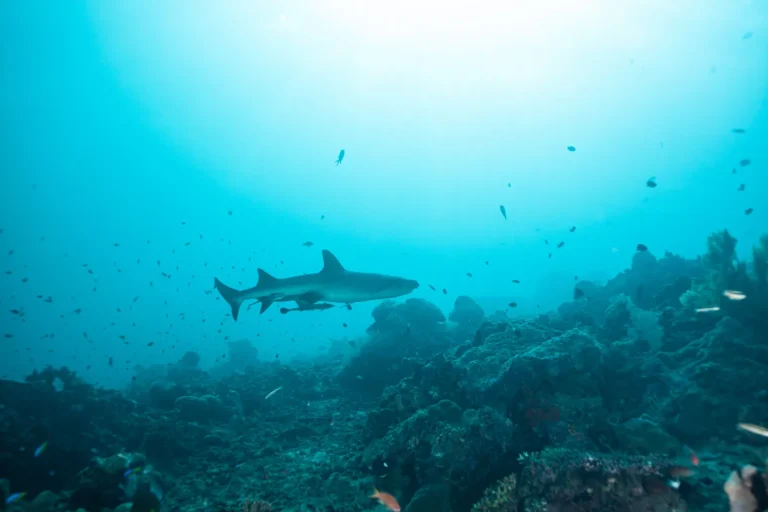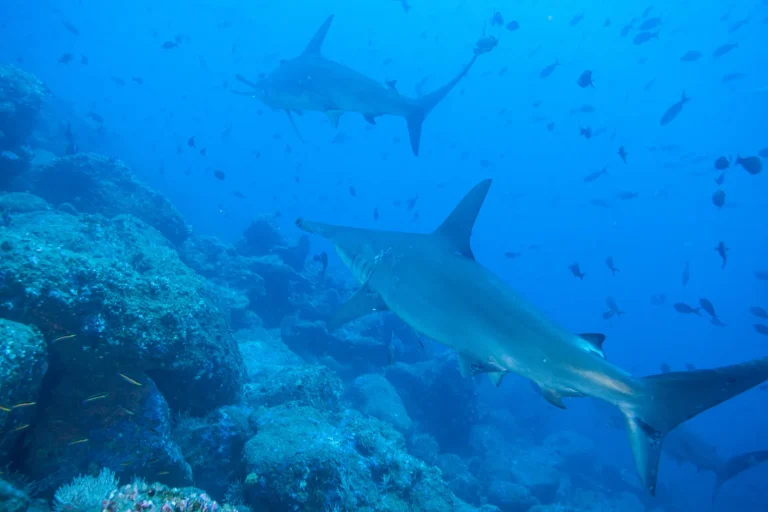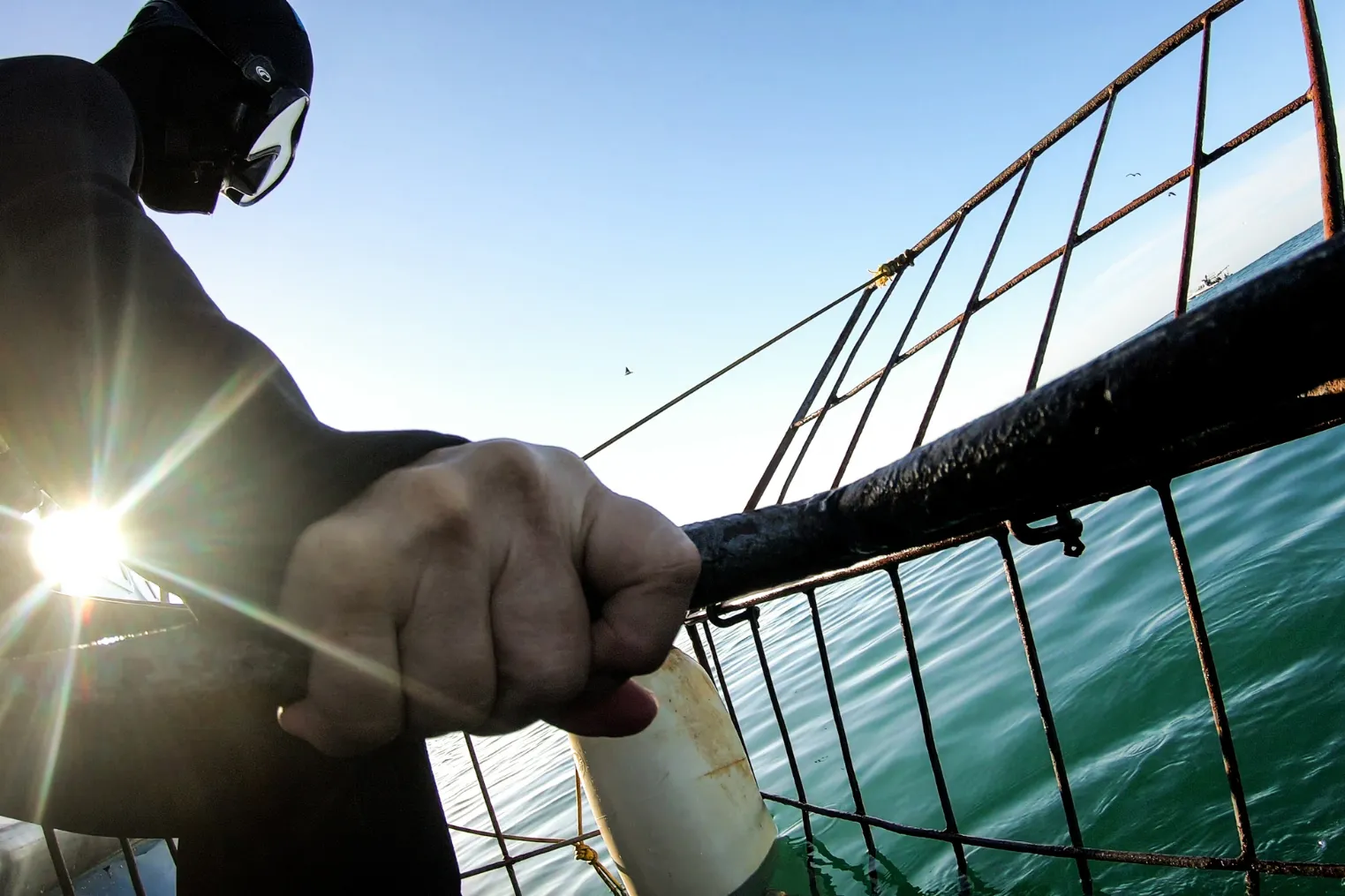
If you’re planning a meet and greet with some big local residents, you’ll want to dress like the ocean might surprise you. You’ll likely feel fine in a snug 3mm full wetsuit, it blocks wind on the boat and saves your skin from scrapes, stings, and sun, while a rash guard alone can leave you shivering and spotted. Run cold, or expect longer drops, and a 5mm or thin hood earns its keep, but fit and buoyancy can change everything, especially when you add weight…
Key Takeaways
- Choose a full 3mm wetsuit for most Oahu shark dives; it balances warmth, mobility, and protection from scrapes, sun, and stings.
- Go 5mm if you run cold, plan long 35–60 minute drops, or water dips into the low 70s°F.
- Wear a shorty (1.5–3mm) only for warm 75–78°F, short sessions; it’s less protective and cools faster during surface waits.
- Layer a UPF rashguard or dive skin under your suit for chafe control; add a LavaCore/fleece-lined top for extra warmth.
- Bring a windbreaker or boat jacket for surface intervals; wind chill on the boat can feel colder than the water.
What Should You Wear on an Oahu Shark Dive?
If you’re heading out for an Oahu shark dive, start with what you’ll actually feel on the boat and in the water, cool wind on wet shoulders, sun on your neck, and that brisk first splash.
Pack a full wetsuit, ideally 3mm to 5mm, because coverage limits exposed skin, guards against scrapes and stings, and adds light insulation.
Use an Oahu water temperature-by-month guide to match your suit thickness to typical seasonal water temps.
Skip a rashguard and board shorts for pelagic visitors like makos or blues, more fabric on limbs can keep a curious bump from becoming a nip.
Want easier movement? Choose a shorty or 3/4 suit.
Bring a hoodie or windbreaker for the ride, add a neoprene hood or thin fleece top between drops, and make sure the fit’s snug.
Avoid oily lotions that degrade neoprene quickly.
What Are Oahu Shark Dive Water Temps by Season?
In winter around Oahu, you’ll usually feel surface water in the low to mid-70s, with the chilliest days brushing about 73°F and November often a touch warmer than January, when the season can bottom out.
Summer tends to run warmer and steady, and the temperature usually feels consistent from top to bottom, so you’re not likely to hit a surprise cold layer.
This lines up with seasonal conditions in Oahu, where planning your exposure protection around the time of year keeps things simple.
Nearby islands can shift things by a degree or two, but on Oahu you can plan simply, pack a 3mm full suit for comfort, consider a 5mm if you run cold, and toss on a hoodie or boat jacket between swims when the breeze kicks up.
Winter Lows And Ranges
Although Oahu’s winter ocean feels more like a cool rinse than a shock, you’ll still notice the seasonal dip, with surface water typically settling into the mid 70s, roughly 73°F to 78°F, and January often delivering the chilliest readings with the occasional low 70s day.
Because shark dives don’t usually hit a sharp thermocline here, that surface number is a solid preview of what you’ll feel on the line and in the cage.
During these winter months, it’s also common to spot Galapagos sharks on Oahu shark dives.
If you run average, a full 3mm suit keeps the chill off when the trade winds pick up on the boat ride; if you’re cold-sensitive, step up to 5mm and add a hooded vest.
November can surprise you by feeling warmer than January, while Kauai often sits 1–2°F cooler most years.
Summer Highs And Stability
Once summer settles over Oahu, the ocean turns into that easy, steady kind of warm that lets you focus on the sharks, not your shivers, with surface temps usually hovering around 75°F to 79°F from June through September.
That’s prime-time warm water diving, and the season’s stability keeps temperatures fairly even from the surface down, so you’re unlikely to feel a sudden cold slap mid-dive.
It’s also when you can count on calm seas and warm waters, which makes gearing up and staying comfortable on the boat a whole lot easier.
For short daytime encounters, you can often scale back to a 2mm to 3mm suit, or even a rash guard if you run warm, but bring a light boat jacket for the ride out and those breezy surface intervals.
You’ll step back in feeling toasty, and you won’t waste energy fighting goosebumps.
A thin hood isn’t needed, just nice.
Still comparing What To Wear For A Shark Dive In Oahu: Wetsuits, Rash Guards, And Layers?
Ask for tour ideas, hotel suggestions, or a simple trip plan that combines both.
Trip Helper
Island Variations And Thermoclines
Summer might feel like set-it-and-forget-it water, but Oahu stays surprisingly steady the rest of the year too, with only a modest seasonal slide that’s easy to plan around.
In winter you’ll typically find 73°F to 78°F at the surface, often around 75°F, and January is usually the coolest while November can run a touch warmer.
Across Hawaii, differences stay small, Kauai may sit 1 to 2°F cooler than the Big Island in winter, and Oahu remains in the mid-70s.
Visibility can swing day to day based on swell, wind, and runoff, so check your operator’s notes on typical visibility ranges before you pack.
The water column is mostly uniform, so you probably won’t meet a sharp Thermal thermocline. Pack a 3mm wetsuit for comfort, then add a thin vest if you chill easily or plan long surface waits. On mornings, that extra layer keeps you happy in shade.
3mm Vs 5mm for Oahu Shark Dives?
When Oahu’s winter surface water slips into the low 70s and the wind adds a cool edge, you’ll usually feel more relaxed in a 5mm suit, even if it’s a bit stiffer than a 3mm.
If you run warm and you’re heading out on a calm, sunny mid day outing, a 3mm can keep you nimble, but you’ll notice the chill sooner during long in water stretches and surface breaks, and you may want an extra thin layer or hood.
For seniors especially, choosing gear that supports comfort can make the whole boat ride and water time feel easier and more enjoyable.
Also remember the trade off under the surface, a 5mm adds more buoyancy, so you’ll likely need a touch more weight to settle in smoothly and keep your trim tidy.
Warmth Vs Mobility
Although Oahu’s shark dives sit in that pleasant 73–78°F sweet spot, your wetsuit choice still shapes the whole experience, because a little chill can sneak in on a windy boat ride while too much neoprene can make you feel puffy and slow in the water. Most divers do best in a 3mm full suit, it stays warm underwater and lets you swim and climb easily, too. A simple wetsuit vs rash guard decision often comes down to whether you prioritize warmth on the boat or maximum freedom of movement in the water.
| Priority | Suit |
|---|---|
| Mobility | 3mm |
| More warmth | 5mm |
Choose 5mm if you get cold on long dives or early starts, but expect a snugger feel at the shoulders. Avoid a shorty wetsuit or rashguard plus board shorts for pelagic sharks, wind and spray cool you fast. Bring a light boat jacket or fleece for breaks, it keeps you cozy.
Buoyancy And Weighting
Because neoprene floats, the wetsuit you pick for an Oahu shark dive quietly decides how relaxed you’ll feel in the water and how much lead you’ll need to stay trimmed and steady. Even a 3mm full suit boosts buoyancy and weighting versus a rashguard and board shorts, so start with 1 to 3 extra pounds.
A 5mm adds more float, handy in cooler months or long surface intervals, and often takes 3 to 6 plus pounds, depending on you and your cylinder. Neoprene compresses with depth, and tired rentals may already be squashed, so don’t assume standard lead. Do a buoyancy check at the surface and again a few feet down.
If you’re unsure about sizing, ask the operator about plus-size wetsuit fit so you’re not fighting a too-tight chest or loose legs that trap air and change buoyancy.
Shorties or 1 to 1.5mm tops add warmth with minimal extra lead today.
Why Full Coverage Matters on Oahu Shark Dives?
Even if the water feels bath-warm at the dock, a full wetsuit is your smartest move on an Oahu shark dive, since it turns “exposed skin” into “no big deal” during those curious, up-close passes.
Think of a full suit as polite armor: it softens an accidental bump or quick nip when blues or makos swing in to investigate, and it keeps you warmer when winter surface temps drop into the low 70s. Remember that a wetsuit also makes it easier to maintain proper spacing rules during close encounters by giving you a little extra confidence and protection if a shark brushes by.
- It shields you from sunburn while you float and wait.
- It cuts the sting from jellies and random scrapes.
- It helps you stay sharp between drops, when wind cools you fast.
- It adds buoyancy, so plan a little extra weight for steady trim near the sharks.
Is a 3mm Full Wetsuit Best for Oahu?
If you’re visiting in winter, when Oahu’s water can feel brisk in the low 70s, a 3mm full wetsuit usually keeps you warm without turning you into a stiff, rubbery statue.
It hits a sweet spot between warmth and easy movement, especially compared with thicker 5mm rentals, so you can swim, climb ladders, and handle gear without a wrestling match.
For safety and comfort, make sure your packing list includes essential gear like a defog solution and reef-safe sunscreen for the ride out and time on the boat.
Just remember it adds buoyancy, so you’ll likely need a touch more weight, and you should still pack a boat jacket for windy surface breaks when you start to chill.
Winter Water Temperature Range
While Oahu’s winter ocean isn’t exactly “polar plunge” territory, you’ll still notice the cooler bite once you settle in at depth, with surface temps typically hovering around 73 to 78°F (23 to 26°C).
That’s mild, yet after 35 to 45 minutes of scuba diving, your fingers and lips can start to feel it, especially if you run cold.
For extra warmth, booking a morning dive can help you suit up before the day’s winds and chop pick up.
- Expect a touch cooler on early, windy mornings, and cooler still after long surface intervals.
- If you’re smaller or you drift slowly, plan for chill to build rather than fade.
- For longer sessions, consider a 5mm suit or a thin fleece-lined layer plus a hood.
- Pack a boat jacket, because wind on the ride back can feel colder than the water sometimes.
Warmth Vs Mobility Balance
Those winter temps feel pleasant at the surface, but after a half hour in blue water you’ll start thinking less about the forecast and more about what’s on your skin.
For most Oahu shark dives, a 3mm full wetsuit hits the sweet spot, you stay warm enough in 73 to 78°F water while still kicking and turning without feeling boxed in.
It also covers you from reef scrapes and surprise jellyfish, and it keeps more skin tucked away when a curious pelagic glides close.
You’ll notice a little snugness in your shoulders and hips, especially when climbing the ladder, but it’s manageable.
Since the experience starts at check-in and continues through the boat ride, having a layer you can slip on and off comfortably helps you stay warm without overheating.
If you’re lingering longer on chilly mornings, try a 5mm or add a thin fleece layer for extra thermal protection on board.
Buoyancy And Weighting
Even on a calm Oahu morning, a 3mm full wetsuit quietly changes the way you float, so you’ll want to think about buoyancy and weighting before you roll in and start eyeing the blue.
That neoprene lifts you more than a rash guard, and most divers need extra lead, often a kilo or more, to settle into trim when you’re breathing from the tank.
Before you gear up, confirm the operator’s age requirements and health limits so your weight check and surface time planning match who’s allowed to join.
- Do a weight check at the surface, relax, exhale, and see if you sink slowly.
- Add weight in small steps, because the suit compresses at depth and your buoyancy shifts.
- Expect cool wind and long surface waits, pack a thin fleece vest if you run cold.
- Keep skin covered, the full suit helps with shark bumps.
When Is a 5mm Smarter for Oahu Shark Dives?
Often, a 5mm wetsuit is the smarter pick for Oahu shark dives when the calendar slides into winter, the trade winds feel sharper on the boat, and the surface water dips into the low 70s, around 73 to 75°F.
You’ll notice it most during long, unhurried 35 to 60 minute drops, or when you’re doing back to back dives and the breeze keeps stealing heat at the surface.
If you’re aiming for pelagic action like makos or blues, or a baitball style encounter, extra coverage helps keep curious close passes off bare skin.
Choose 5mm sooner if you’re smaller, run cold, or you’re in a compressed rental suit. Add a boat jacket or hood between dives, then peel layers in the sun to cool.
Pair that extra warmth with proper fin fit so you don’t lose power or end up with blisters during longer drops.
3/4 Suit or Full Suit for Oahu Shark Dives?
Start with how long you’ll be in the water and what kind of shark you’re hoping to meet, because that’s what really decides whether you can get away with a rashguard or you’ll want a full wetsuit.
How long you’ll be in, and which sharks you’re chasing, decides rashguard simplicity or full wetsuit coverage.
If you’re doing a longer drift, chasing a baitball, or meeting blues and makos, full coverage matters, it cuts down scrapes, stings, and bare ankles.
Rashguards and board shorts only make sense for warm-water dips with non-pelagic sharks, and they won’t add warmth when wind hits on the boat.
Before you commit, use a simple operator checklist to confirm what exposure protection the crew recommends and what conditions their trips typically involve.
- Choose a 3mm full wetsuit for time, distance, and pelagic curiosity.
- Add weight, neoprene boosts buoyancy.
- Pack a boat jacket, you can overheat between drops.
- Check cuffs and zippers, fewer gaps mean fewer nicks.
Can You Do an Oahu Shark Dive in a Shorty?
Yes, you can wear a 1.5–3mm shorty in Oahu’s warmer months when the water sits around 75–78°F, and you’ll like the easy shoulder movement plus a bit of scratch and jellyfish protection, but you’ll also leave more skin exposed if a curious shark swings close to your arms or calves.
You’ll feel the tradeoff in warmth and buoyancy too, since a shorty insulates less and floats you less than a full suit, so plan on a touch more weight and expect to get chilly sooner on longer sessions, especially when winter temps dip toward 73°F.
If you have asthma or another medical condition, ask your operator about medical clearance and any dive-day considerations before choosing lighter exposure protection.
If you go shorty, add a high‑UPF rashguard or neoprene vest and pack a boat jacket for the ride back, and when conditions, species, or time in the water are unpredictable, a 3mm+ full suit usually wins for coverage and peace of mind.
Shorty Coverage And Exposure
You can get away with a shorty on an Oahu shark dive, especially when the water sits in that comfortable 73 to 78°F range and you’re only in for a short session, but it helps to know what you’re trading for the extra freedom.
A light, non-greasy snack and steady hydration are part of seasickness prevention before you suit up.
A 1.5 to 3mm shorty covers your torso, yet leaves forearms and calves open to reef rash, boat ladders, and the occasional curious nudge, which matters more with fast pelagics like makos or blues.
- Cover up exposed skin with a long-sleeve rashguard or neoprene top.
- Keep hands and ankles tucked, and avoid dangling fins.
- Pack a boat jacket for windy surface intervals.
- Choose a full suit for long swims, baitball days, or unpredictable mixed conditions.
Warmth, Buoyancy, Mobility
Although Oahu’s water can feel like a warm bath on sunny days, a shorty still changes the whole warmth, buoyancy, and mobility equation once the wind kicks up or winter temps slide into the low 70s.
In a 1.5–3mm shorty you’ll kick and climb ladders easily, and you won’t feel as wrapped up as in thicker neoprene, but your arms and lower legs cool fast during long surface waits or cloudy runs.
Buoyancy stays lighter too, which can help you keep a relaxed, natural trim whether you’re snorkeling or doing scuba, and it may mean less lead.
If you run cold, pair a shorty or 2.5–3mm vest with a light boat jacket between drops, and you’ll stay comfy without turning into a floating marshmallow.
Choosing layers you can peel on and off between entries also supports a calm shark dive mindset for first-timers when you’re managing wind chill on the boat.
When Full Suit Wins
If you’re tempted to roll up in a 2–3mm shorty because the water looks postcard-blue and warm, remember that Oahu shark dives often feel more like an open-ocean picnic with wind in your hair and long surface waits than a quick reef splash, and that’s where a full suit wins. On pelagic trips with makos or blue sharks, less bare skin means fewer bumps, scrapes, stings, and sunburn when curiosity gets close.
A full wetsuit also helps with building confidence if you’re a nervous swimmer, because staying warmer and more protected reduces distraction and makes it easier to focus on calm, steady breathing in open water.
A full wetsuit also buys comfort when clouds roll in and the boat ride feels like a breezy commute.
- Cover wrists, ankles, and neck.
- Stay warmer between dives, especially in wind.
- Limit shorties to calm, quick, non-pelagic sessions.
- Pack a boat jacket, ask your operator.
When it’s unpredictable, choose full coverage always.
Rashguard and Board Shorts for Oahu Shark Dives?
Often, a long-sleeve rashguard paired with board shorts feels like the easiest, most vacation-ready choice for an Oahu shark dive, it dries fast on the boat and lets you move freely as the swells roll under you. If you’re heading out from Waikiki, plan your timing around Waikiki to Oahu transportation so you’re not stuck in damp gear before the boat departs. That freedom comes with trade-offs: you get almost no thermal insulation, and your arms and legs stay exposed to sun, scrapes, jellyfish stings, and curious close passes. For quick, warm-water sessions it can work, but on pelagic shark or baitball dives you’ll want full coverage, since a rash Guard won’t soften bumps or bites that can escalate.
| Feature | On your dive |
|---|---|
| Mobility, drying | Feels light, dries fast |
| Warmth, buoyancy | Minimal, especially on repeats |
| Skin coverage | More sun, scrapes, stings, contact |
Bring a boat jacket for surface breaks.
How to Layer for Oahu Shark Dives
A rashguard and board shorts feel breezy on the boat, but once you’re bobbing in open water with wind on your shoulders and salt working into every seam, smart layering starts to look like the real vacation upgrade.
Use a 3mm full wetsuit as your baseline for 73–78°F water, plus abrasion and jellyfish cover. Skip exposed limbs; full coverage keeps you comfy and looks polished. Build from there:
Make a 3mm full wetsuit your 73–78°F baseline, warm, polished, and protected from abrasion and jellyfish with full coverage.
- Base: snug UPF 50 rashguard or dive skin to cut chafe and dry quickly.
- Warmth: thin 1–1.5mm or fleece lined top under the suit for long, chilly drifts.
- Deck: windbreaker for the ride back, spray and wind cool you fast.
- Head: neoprene hood or beanie between drops to keep your core happier.
LavaCore vs Sharkskin for Oahu Shark Dives?
Step into Oahu’s low to mid 70s water and you’ll notice the real test isn’t the first splash, it’s the slow chill that creeps in when the wind hits your shoulders between drops, which is where LavaCore and Sharkskin start to feel like two very different tools.
Sharkskin’s neoprene tops block wind with chest panels, dry fast, and give modest warmth on the boat.
LavaCore fleece-lined skins (like Lavacore Womens Full Suit) provide significant extra warmth without bulk and resist compression, making them a good insulating mid-layer for cooler Oahu shark dives in the low–mid 70s or for longer in-water time.
For makos or blues, wear LavaCore under a thin 3mm suit for warmth and full coverage; Sharkskin alone under boardshorts won’t be enough out there.
Do Lycra Skins Help on Oahu Shark Dives?
Why do so many Oahu shark divers slip into a Lycra skin even when the water feels friendly at first touch? Because it’s the travel-light layer that guards your skin, not your warmth, and it keeps you moving like you’re in athletic wear, not a rubber suit.
Scuba divers also like how it dries fast between runs and slides under other layers without bunching.
- Block sun and glare while you float on the surface.
- Cut the itch from sea lice, jellies, and rough boat ladders.
- Reduce little scrapes if you brush a line or rail.
- Remember it won’t stop a curious pelagic shark, so pick it for comfort, and add warmer layers in winter or for long hangs. You’ll feel sleek, covered, and carefree.
Will Oahu Rental Wetsuits Feel Colder?
Even if the ocean off Oahu feels pleasantly warm when you first hop in, a rental wetsuit can still leave you chilled sooner than you expect.
Many rental wetsuits have neoprene that’s been squeezed and worn, so a rented 5mm may insulate more like your old hoodie than a fresh 5mm, especially after 45 to 60 minutes in the water.
In winter, when the surface sits in the low 70s°F, that lost loft shows up fast, you’ll notice cool water sneaking through and your core cooling down.
Rentals also skip fancy linings that trap heat. If you’re doubtful, add a thin LavaCore style layer or a 1 to 3mm vest, or bump up thickness.
Between dives, keep a windbreaker handy, and sip something warm.
How Should an Oahu Shark Dive Wetsuit Fit?
Since you’ll spend a good chunk of your shark dive floating, finning, and watching curious silhouettes cruise by, your wetsuit needs to fit like a second skin, snug and smooth without squeezing your chest or pinching your shoulders. Aim for body hugging with no loose folds so you keep thermal insulation, avoid chafing, and reduce anything a curious shark could mouth at.
Your wetsuit should fit like a second skin, snug and smooth, no loose folds, no pinched shoulders, no squeezed chest.
- Seal wrists, ankles, and neck, or add a hood, so cold water doesn’t flush in.
- Check reach and rotation, you should swim, clip, and camera with easy shoulders.
- Pick thickness for time and chill, 3mm suits feel nimble, 5mm suits feel cozier.
- Do a dry run, pull it on, squat, fin-kick, and see if it rides up today.
How Much Weight for an Oahu Shark Dive?
A few well-chosen pounds can turn your Oahu shark dive from a bobbing, fin-kicking workout into a calm hover where you can watch those gray silhouettes cruise by below. In 73–78°F water, a 3mm full suit usually asks for 2–4 lbs more than boardshorts, while a 5mm can need 4–8 lbs, especially in winter. If you’re in a shorty or thin top, add just 1–3 lbs over rashguard weight.
| Suit choice | Typical extra weight |
|---|---|
| 3mm full | 2–4 lb (1–2 kg) |
| 5mm full | 4–8 lb (2–4 kg) |
Do a quick shallow-water check with your tank, then fine-tune with 1–2 lb pieces, and ask the crew what works with their rental setup for smoother Dive Travel.
Frequently Asked Questions
Do I Need Gloves or Booties for an Oahu Shark Dive?
You don’t strictly need gloves or booties, but you should bring them. Thin 1–3mm neoprene gloves prevent abrasions and reduce bite risk; 3–5mm booties protect feet and help Thermal protection. Confirm your operator’s rules ahead.
Can I Wear Sunscreen, and Which Types Are Reef-Safe for the Dive?
Yes, you can wear Reef safe sunscreen, choose mineral, non-nano zinc oxide or titanium dioxide, skip oxybenzone/octinoxate and sprays. Apply 15–30 minutes before, use only on exposed skin, and reapply on the boat.
What Should I Bring for Seasickness on the Boat?
Pack seasickness gear like a sailor carrying a compass: take meclizine or Dramamine 30–60 minutes before, or use ginger/peppermint. Bring water, light snacks, Motion bands, a neck pillow, cool towel, and bags.
Are Cameras or Gopros Allowed, and How Should I Secure Them?
Yes, you can bring cameras or GoPros, but you must secure them. Use Camera tethering with a wrist lanyard, float strap, or retractable line, clip housings to your BC, and skip loose accessories onboard too.
Can I Wear Contact Lenses or a Snorkel Mask With Prescription Lenses?
Yes, you can wear soft contacts or a Prescription mask. Use a snug, tempered-glass mask to prevent leaks. Bring a backup Prescription mask, plus spares, solution, and case. Skip hard lenses; rinse gear after dives.
Conclusion
For an Oahu shark dive, you’ll feel most confident in a snug full suit, because water steals heat about 25 times faster than air and wind on the boat finishes the job. Start with a UPF rashguard, add 3mm for most days or 5mm if you run cold, and consider a thin hood when temps dip. Pack a boat jacket, bring a little extra weight, and you’re set. If your rental feels loose, size down.