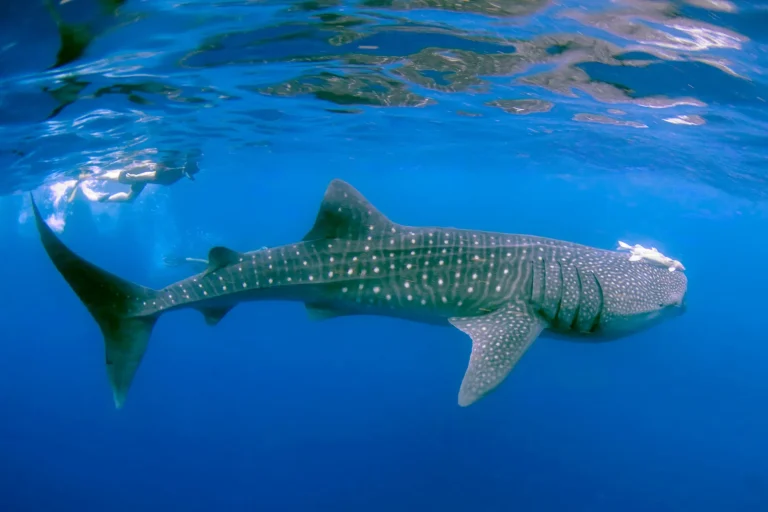
The wild part about shark diving on Oʻahu is that the ocean can feel like glass, then flip to chop in minutes, so your operator choice matters as much as your nerves. You’ll want to check permits, crew credentials, and emergency gear like oxygen and a working radio, then match the dive site to your comfort level, because “beginner friendly” can mean different things offshore. Start with a quick checklist, and you’ll spot the pros fast, plus the deal breakers you shouldn’t ignore…
Key Takeaways
- Verify Hawai‘i DLNR commercial marine license, O‘ahu shark-tour permits, vessel registration/inspection, and $1–5M liability insurance; request visible proof.
- Confirm captain and lead guides are Divemaster or higher with current Rescue/EFR; avoid unsupervised trainees and weak guide-to-guest ratios.
- Inspect emergency readiness: serviced oxygen with regulator/flowmeter (15 L/min), masks, AED, first-aid kit, VHF radios, and clear written evacuation plan.
- Ask for written procedures, role assignments, recent safety-drill logs, and 5–10 years of incident history; lack of logs is a deal-breaker.
- Demand a specific site and briefing: depth/current/visibility, entry-exit plan, shark-behavior rules, and cancellation policy aligned with the written booking terms.
Your Oahu Shark Dive Operator Checklist (Printable)
Before you book a shark dive off Oahu, run your options through this quick, printable checklist so you’re stepping onto the boat with clear eyes, not just good vibes and a waterproof camera.
Start with roots: you want a local operator running Oahu dives often, in the same spots for years, with a local phone number and vessel details. Confirm staffing, a Dive Master or higher and a trained safety diver per group, oxygen on board, and simple evacuation steps. Ask for site briefings on currents and ledges, plus any check-out dive, then check ratios. Make sure they teach clear hand signals and spacing rules before anyone enters the water. For shark diving ethics, look for no-touch rules, sustainable bait, solid bait containers, and recent Oahu reviews that note weather cancellations, incidents, and local crew training before you pay.
Confirm Oahu Permits, Insurance, and Legal Compliance
While the brochures focus on blue water and big fins, you’ll feel a lot better stepping onto the dock knowing the paperwork behind the trip is just as solid as the boat under your feet.
Ask to see a Hawai‘i DLNR commercial marine license, plus any Oahu permits for shark tours. Then confirm maritime liability insurance, and read the print to be sure shark diving and passenger transport are covered, with limits in the $1–5 million range.
Ask for a Hawai‘i DLNR commercial marine license, O‘ahu shark-tour permits, and $1–5M liability covering shark diving and passenger transport.
Request proof the crew follows manō interaction rules, including any no feeding or baiting restrictions, and ask what changed recently.
Check vessel registration, Coast Guard inspection records, and valid captain and dive master credentials.
Finally look for incident reporting and wildlife permits that aren’t expired or suspended. Before you sign, read the shark dive waiver closely and confirm the operator’s booking and cancellation policies match what you were told.
Pick a Shark Dive Site That Matches Your Skill
Paperwork tells you an operator runs a tight ship, but the real feel of your day comes down to where they drop anchor and what the water’s doing there.
Match the site to your certification: if you’re new, choose shallow, clear ledges or snorkeling reefs where reef sharks cruise, often in 10–25 ft with mild current.
Ask for the exact site’s depth, current, and visibility, not a vague “it’s fine.”
Save drops, pinnacles past 60 ft, drift, or night diving for advanced-certified divers.
Pick by species too, nearshore reefs for reef sharks, deeper routes for tiger or hammerhead odds.
Favor crews who run that location year-round, and insist on more safety divers and lower ratios when the plan is open water or more flow.
On Oahu’s North Shore, many operators head to the shark dive cage zone off Haleiwa where conditions can change quickly with swell and wind.
Still comparing How To Choose A Shark Dive Operator On Oahu: A Checklist?
Ask for tour ideas, hotel suggestions, or a simple trip plan that combines both.
Trip Helper
Emergency Oxygen: What to Ask and What to See
Before you book, ask to see the boat’s emergency oxygen, it should sit on deck within easy reach like a well-marked fire extinguisher, full, labeled, and within its service date, with a regulator you can read and a flow rate the crew can explain without stumbling.
Have them open the kit and point out the non-rebreather mask, a pocket or resuscitation mask, spare tubing, and two mask sizes for adults and kids, then confirm it’s stored in a secure, ventilated mount away from heat and fuel, not rattling next to the gas cans.
Good operators also carry CPR and first aid gear onboard so the crew can stabilize you while oxygen is running.
Finally, ask who’s trained and current to use it, how often they run drills, and what the written plan is for deployment and getting you to the nearest medical facility, including a realistic transit time.
Oxygen Kit Location
On a small dive boat, emergency oxygen should feel as easy to grab as the throw ring, so ask the crew to point to the kit’s exact spot and make sure it sits within immediate reach of the dive deck, not tucked under a bench or buried in a cabin locker.
For safety, choose an operator that keeps it in a labeled box you can reach without climbing over tanks, with the cylinder strapped in so it won’t roll when the boat pitches.
Ask who is responsible for it and review the crew roles for retrieving and administering oxygen during an emergency.
Ask to see the pressure gauge and the maintenance tag, and glance at any expiry dates.
Have the dive master or another first aid trained crew member point to it again, and confirm a portable unit stays on deck for transfer.

Supply, Flow Rate, Masks
Scan the oxygen setup like you’d check a seatbelt, quick, calm, and specific. You want a dedicated emergency oxygen unit with an E-size cylinder or larger, about 680 to 700 liters, and a minimum flow rate of 15 L/min for submersion injuries. Ask to see the regulator and flowmeter, then watch the crew dial the flow from 6 to 15 L/min, lock it, and say what each setting’s for.
Next, count oxygen masks. Look for at least two adult non-rebreather or demand-valve masks plus one pediatric mask, so two people can breathe at once. Check they’re medical-grade, straps unbroken, labels readable, and that one fits snugly over a wet diver’s face.
Bonus points for a spare cylinder stowed within easy reach near the helm.
Before you splash, secure phones, wallets, and jewelry in a dry bag or onboard storage so your valuables don’t end up lost or waterlogged during the dive.
Training, Drills, Maintenance
Watching a crew handle emergency oxygen tells you more than any brochure, because training shows up in small, repeatable habits that feel calm and automatic.
Before you cast off, ask who’s Rescue Diver or higher, and make sure their oxygen admin and EFR cards are current, then ask how often they refresh skills and run CPR drills, quarterly is a baseline. As part of the check-in process, notice whether the crew’s safety briefing and gear checks feel structured and consistent before you ever step onto the boat. You should see a check of the unit, regulator, tubing, non rebreather, pocket mask, and a pressure gauge that reads full, stored where you can point to it fast.
Next, ask for their protocol, oxygen on in 2 to 3 minutes, stabilization steps, and nearest evacuation point.
Request maintenance logs for cylinder inspections, regulator service, and recent drill notes, they’re practical safety precautions.
Rescue Gear and Comms (Radio, AED, GPS)
Pack your curiosity, then get picky about the boat’s rescue gear and communications, because offshore Oahu the ocean can feel like a wide, blue freeway with very few exits. When you’re diving with sharks, you want redundancy: a fixed marine VHF plus a charged handheld backup, and a written distress script with local harbour, EMS, and SAR numbers. Before you leave the dock, confirm the operator knows the Hawaii DLNR Enforcement (DOCARE) incident line, (808) 643-3567, and has it written into their emergency call sheet.
| Item | What you check | Why it matters |
|---|---|---|
| VHF radios | Fixed + handheld, batteries charged | Keeps shore contact |
| GPS | Chartplotter + portable GPS or PLB | Pinpoints your location |
| AED | Maintained, easy to grab | Buys time in cardiac events |
| Rescue kit | O2, trauma dressings, splints, marine first aid | Treats injuries fast |
Ask where it’s stored, look for labels, and listen for an evacuation plan in the pre-dive briefing.
Guide Credentials: DM/Rescue/EFR and Local Experience
Once you’ve checked the radios and rescue kit, turn your attention to the people running the show, because the best gear in the world won’t help if no one knows how to use it when the swell kicks up.
Your dive operator should list Dive Masters or higher, and you’ll want at least one crew member with current Rescue Diver plus EFR. Ask how long the lead guides have worked these exact Oahu shark sites, five years at the same ledges beats quick hops. Confirm they train for shark behavior, crowd control, and fast extraction, and that trainees stay supervised. Because group size changes how effectively guides can monitor guests and manage shark interactions, small-group capacity can be a real safety advantage on Oahu. Request written role assignments like safety diver and deck medic, recent safety drill logs, and an incident history, so you’re not relying on vibes.
How Many Guides Per Guest Is Safe?
How do you know a shark dive has enough eyes on you when the boat’s rocking, the current’s tugging, and everyone’s trying to get that perfect look at a passing fin?
For snorkels, pick 1 guide per 4 to 6 guests; for open-water scuba diving or current, choose 1 per 2 to 4 for essential safety.
On cage dives, expect one crew member watching the cage for each 6 to 8 guests, plus safety divers if it submerges.
Make sure a safety diver covers every 6 or fewer, and spotters watch.
If your diving experience is limited or shark species appear, common sense says add guides, not social media.
Choose educational components that help protect sharks, rights reserved, before commencing on a shark trip.
And just as the American Red Cross emphasizes CPR training for the moments that matter, pick an operator whose crew can demonstrate current emergency readiness before you ever hit the water.
What a Good Oahu Shark Safety Briefing Includes
Before you get in the water, you want a briefing that spells out entry and exit steps, where to place your hands and fins, and what to do if the current feels like an airport moving walkway.
You’ll also listen for clear shark conduct rules, no chasing, no touching, keep your arms close, plus simple hand signals for “stay,” “calm down,” and “up now,” ideally shown and practiced so there’s no guessing behind a foggy mask.
A solid operator will also explain how they manage risk in cage-free dives using baiting protocols and positioning so the action stays predictable and controlled.
Finally, you should hear an emergency and evacuation plan in plain English, where the oxygen and first aid live on the boat, who takes charge, and how fast you can reach shore if the ocean decides to change the itinerary.
Entry And Exit Protocols
Often, the safest part of an Oahu shark dive starts with the least glamorous moment, getting in and getting out of the water, so a good operator’s briefing gets very specific and doesn’t hand-wave the details.
You should hear exactly where you’ll enter and exit, whether it’s a ladder or shore drop, plus distance from shore, depth, and any coral or surge below.
Next they’ll demo the move, giant stride or backward roll, and you’ll practice if you’re rusty.
They’ll assign who runs the line and who assists, and teach stop, hold, exit now, and emergency surface signals.
Confirm gear rules, BC partly inflated, mask on, cameras tethered, and a max water time.
Hear the contingency plan for weather shifts, equipment failure, or panic.
If you’re not a strong swimmer, ask what floatation is provided and how guides manage you in the water.
Shark Conduct Rules
Once you know exactly where you’ll slip into the water and climb back out, the next thing a solid Oahu operator covers is how you’re expected to behave around the sharks, and they’ll spell it out in plain, enforceable rules.
You’ll hear the dive type, expected depth, and current strength, then the conduct list: no touching, no chasing, keep hands close, avoid sudden moves, and never corner or harass an animal.
Treat Personal boundaries as real, yours and theirs, so your bubbles and fins don’t read like an invite.
These guidelines are often summarized as the No Touch, No Chase rule to reduce stress on sharks and keep interactions respectful.
If bait’s used, they’ll name it and show how it’s secured, plus what to do when a shark glides near: stay calm, stay vertical, keep eyes on it, and track the guide at all times.
Emergency And Evacuation Plan
Even if the ocean looks like glass and the boat feels steady under your feet, a good Oahu shark operator won’t treat emergencies like a distant “what if,” they’ll walk you through a real evacuation plan with names, times, and roles you can picture. They’ll name the dive site, the closest ER, and transit time, then show the planned route to shore and alternate landings for Evacuation logistics. They should also explain weather cancellations up front, including how wind, swell, and current can change the plan and what your next steps are if the trip is called off.
| Trigger | You | Crew |
|---|---|---|
| Lost diver | Signal | Scan, recover |
| Injury/illness | Muster | O2, AED, VHF |
You’ll see first aid, O2, AED, and extinguishers, and the captain will name who’s in charge, the VHF channel, and crew jobs. Then you’ll get steps for lost diver, shark injury, weather, or medical trouble, with surface signals, muster point, and pickup manoeuvres.
No-Touch Rules and Diver Behavior Underwater
While the water can feel like a quiet blue theater and the sharks like the main act, you’ll get the best, calmest encounter by treating them as wildlife, not props.
Treat sharks as wildlife, not props, and the ocean turns from spectacle into a calmer, safer encounter.
That starts with a strict no touch rule: don’t reach out, block, push, or try to “ride” a shark, since contact stresses them and can swap germs both ways.
Keep your hands, fins, and camera tucked in, move like you’re filming slow motion, and avoid splashing at the surface.
Aim for neutral buoyancy and Respectful positioning, usually 1 to 2 meters away, so you don’t crowd their path or cut off an exit.
Choosing responsible operators also means making sure the crew enforces these rules consistently from briefing to exit.
Watch them calmly, don’t turn your back, and follow crew signals, regrouping or returning to the boat or cage when asked.
Bait Policy: What They Use and How It’s Contained
Good shark etiquette doesn’t stop with your hands and fins, it also includes what the boat puts in the water to bring sharks close enough for a calm look.
Ask for Bait transparency: do they use whole fish, heads, or scraps, and can they confirm it’s from sustainable sources, never shark or ray.
Look at how it’s held, you want a sealed rigid plastic bait box, not a soggy bag that sheds bits like confetti.
Because repeated chumming can condition sharks to associate boats with food, look for operators who limit attractants and follow responsible baiting practices that reduce long-term behavior impacts.
| Check | Why |
|---|---|
| Source | Sustainable, no shark or ray bait |
| Containment | Sealed rigid box, controlled chute |
Then ask how they ration it: one attended container, releases, and a written protocol that caps kilos per session and logs use.
On deck, bait should stay chilled, with zero loose pieces drifting off.
Use Reviews to Spot Safety and Ethics Red Flags
Scan reviews from the past year or two for specifics you can almost picture on the boat, clear safety briefings, emergency oxygen on board, and how fast the crew reacts when something goes sideways.
If you’re staying in Waikiki, confirm your operator’s Waikiki pickup options or clear directions for getting to the North Shore harbor so you’re not stressed or late on dive morning.
You’ll also want steady mentions of ethics like a no touch policy, careful bait handling, or sustainable bait, because that usually signals the operator respects shark welfare, not just your camera roll.
If you keep seeing the same complaints across TripAdvisor, Scubaboard, or pro write ups, like overcrowded water, too few guides, skipped briefings, or unanswered safety questions, treat it like a blinking warning light and move on.
Spot Safety Red Flags
Often, the fastest way to judge a shark dive operator on Oahu is to read reviews like you’re packing your boat bag, looking for what’s missing as much as what’s promised.
If you keep seeing “briefed for 5 minutes” or “no rules given,” assume the safety talk is thin, and you’ll notice once the swell kicks up.
Next, scan for staffing notes: “only one guide for 10 divers” or “no safety diver in water” points to ratios, and Crew dynamics can’t fix that.
Repeated comments about trips cut short because the crew was unprepared, or there was no oxygen, should end your search.
Finally, look for transparency. If guests say they were surprised at the site or conditions, the operator may be dodging accountability.
One more green flag in reviews is consistent mention of free cancellation with clear deadlines, which usually signals an operator that plans for weather and communicates upfront instead of pressuring you to go.
Identify Ethics Warning Signs
Before you book a shark dive on Oahu, use reviews to check not just whether people had fun, but whether the operator treats divers and sharks with basic respect. Scan for patterns, not gripes: repeated notes about briefings, injuries, or emergency evacuations should stop you cold.
Next, run an Ethics checklist through the comments. If several guests describe aggressive baiting, or feeding when threatened species show up, you’re seeing poor shark-welfare judgment and possibly illegal behavior. Pay attention when reviewers mention understaffing, like one guide for 12 divers, or a crew of trainees, because ratios matter when the water’s choppy and adrenaline rises. Look for signs of wildlife harassment, like guests describing sharks being crowded, touched, or repeatedly pressured for photos.
Give weight to transparency: clear emergency steps and site info beat secrecy. If reviews rave only about “killer close-ups,” skip it.
When to Walk Away: 10 Non-Negotiable Red Flags
If something feels even a little off once you’re on the dock, listen to that instinct and treat it like a smart travel tool, not nerves. Operator transparency is your first filter: if they can’t show a 5–10 year safety log, walk. Next, verify current DM/Instructor and rescue or EFR cards, and don’t accept unsupervised trainees. Ask for emergency procedures in writing, oxygen on board, evacuation plan, nearest clinic, and realistic timing, no hand-waving. Skip hypey ads promising unlimited shark contact, or any crew that shrugs at questions. Finally, demand clear baiting details, sustainable species, secure containers, and calm shark behavior in footage. Responsible operators also follow evidence-based practices that reduce conditioning and unnecessary stress on sharks. You’ve got 10 red flags, so don’t bargain.
| Red flag | What you ask | Action |
|---|---|---|
| No incident log | See records | Leave |
| No written plan | Show oxygen, evac | Cancel |
Frequently Asked Questions
What Do I Look for in a Dive Operator?
Look for Operator Credentials: years of incident-free operations, certified divemasters, rescue-trained crew, and smart diver-to-guest ratios. You’ll get written briefings, solid emergency plans, shark-friendly practices, and transparent communication, plus boats with oxygen and water always.
What Is the 120 Rule in Diving?
You use the 120 Rule to cap a single-tank no-decompression dive at 120 minutes near sea level. You still follow Depth Limits via tables/computer, track surface intervals, and ask operators to brief its use.
Is Shark Diving in Oahu Worth It?
Yes, shark diving on Oahu’s worth it, you get high Experience Value with quick boat rides, 10–30 m visibility, and frequent Galapagos, sandbar, or reef shark sightings. You’ll choose cage or open-water options, safely most days.
What Month Are Sharks Most Active in Oahu?
You’ll see sharks most active around Oahu in summer, especially June–August. Seasonal activity rises May–September as warmer 25–28°C water and more prey draw tiger and reef sharks nearshore; check recent local reports, too right now.
Conclusion
Treat your operator checklist like a seatbelt for your adventure, you won’t notice it until you need it. You confirm DLNR permits, crew credentials, and written emergency plans, then you look for oxygen, AED, radios, and GPS that actually power on. You ask about bait containment and no touch rules, and you scan reviews for steady, consistent briefings. If anything feels vague or rushed, you walk away, and you dive smarter tomorrow with clear eyes.