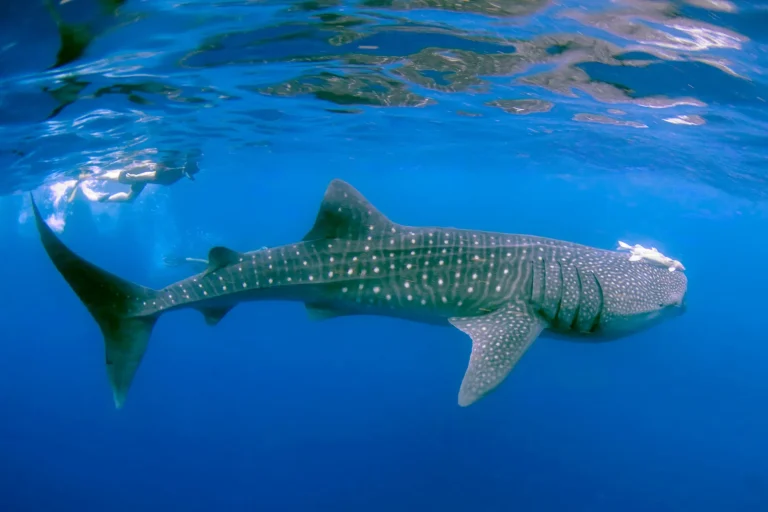
On a calm morning in the North Shore, you drop below the surface with a guide, and a reef shark slides past like a gray shadow. Cage-free dives can be safe if you pick an operator with tight rules, small groups, and a clear “no touch, no chase” policy. But safety shifts fast with currents, low visibility, and bold species like bulls. The real question isn’t “Are sharks dangerous?” It’s “Who’s running the dive, and how?”
Key Takeaways
- Cage-free shark diving can be safe with strict protocols, but risk rises sharply with poor briefings, weak group control, or panic behavior.
- Reputable operators avoid heavy chumming/overfeeding, use habituated reef sites, and follow permits and site rules to reduce unpredictable shark behavior.
- Safety depends on clear briefings: hand signals, spacing rules, formation, and an exit plan divers can repeat back before entry.
- Competent crews limit group size, maintain low diver-to-guide ratios, run orderly entries/exits, and abort when current or visibility prevents regrouping.
- Emergency readiness matters: accessible oxygen, first aid, radios, surface watch, rehearsed evacuation plans, and willingness to document and enforce rule violations.
Is Cage-Free Shark Diving Safe? Key Criteria?
Even if you’ve watched sleek promo clips of divers floating beside sharks, cage-free shark diving only feels “safe” when a few non-negotiable criteria line up.
First, choose an operator that briefs you like a pro, not a hype crew: clear hand signals, spacing rules, and an exit plan you can repeat back. Ask how they read shark behavior, speed changes, pectoral fins, tight turns, and how they manage the group when those cues shift.
Next, check the setup. You want small diver-to-guide ratios, a calm entry, and visibility you can actually see through. On Oahu, prioritize operators with responsible practices that emphasize shark welfare and minimize unnecessary stress on the animals.
Finally, mind diver psychology. If you panic in crowds or hate surprises, pick a slower itinerary and stay honest in the pre-dive check. Your guide leads, you hover level, hands tucked, eyes open.
What Are the Real Risks in Cage-Free Shark Diving?
While cage-free shark dives can feel calm and almost meditative, the real risks aren’t movie-drama chaos so much as small problems that stack fast in open water.
You can drift in a current (moving water) and lose the group, especially if visibility turns milky. One fin kick too hard and your buoyancy, how you float, goes off, sending you up or down when you should stay level.
Minor gear faults matter: fogged masks, sticky inflators, sloppy equipment maintenance.
Then there’s human error. A rushed briefing, a distracted buddy, a guide who’s juggling cameras and chum.
A thorough safety briefing that covers hand signals and spacing rules reduces confusion when conditions change.
Add seasickness, cold, and boat ladders. Stay close, signal early, and call the dive if you feel overwhelmed today.
If something goes wrong, you’ll learn about waivers and legal liability fast.
Which Shark Species Raise Cage-Free Risk Most?
Most cage-free problems start with people and conditions, but the shark in front of you matters too. Big, bold, and food-focused species raise the stakes. An oceanic whitetip cruises in close, turns fast, and may bump you to test what you are. Stay vertical, keep fins still, and hold your camera tight to your chest.
Bull sharks and tiger sharks also demand respect because they investigate with confidence and don’t scare easily. Around Oahu, you might also encounter Galapagos sharks in offshore waters, which can appear in groups and cruise in close to check divers out. In a hammerhead aggregation, you’re usually safer than you think, yet the sheer number can trigger sudden direction changes, so keep your group tight.
Nervous? Choose reefs with resident sharks that ignore divers, and skip operators who chum heavily. Ask guides which species they expect, and listen for a calm, detailed briefing.
How Do Visibility and Currents Change Cage-Free Safety?
When the water turns milky and you can’t see past your fins, you switch to low-visibility protocols: stay close to your guide, keep your buddy within arm’s reach, and scan slowly so you don’t startle a shark at close range.
If you feel panic rising, prioritize controlled breathing and focus on slow exhales before making any big movements.
If the current starts pushing like a moving sidewalk, you’ll mitigate it by using a drift line (a rope you hold to stay aligned), tightening your group, and saving energy with calm, steady kicks.
Less drama. More control.
Still comparing Is Cage Free Shark Diving Safe? Real Risks And How Operators Manage Them?
Ask for tour ideas, hotel suggestions, or a simple trip plan that combines both.
Trip Helper
Low Visibility Protocols
Because murky water and moving water change everything, you can’t treat a cage-free shark dive like a clear, calm postcard day. Your operator should shorten the swim radius and keep you tight to the guide’s fins.
You’ll use low light navigation: steady torch beam down and ahead, no waving, so you don’t blind others or spook a shark. Expect hand signals and touch contact, a light tap on the shoulder, to confirm position.
On Oahu shark dives, visibility ranges can vary widely day to day, so your operator should adjust spacing and the dive plan in real time.
In low vis, noise travels. Practice sound discipline by clipping gear, slowing your breathing, and keeping your regulator purge to a minimum.
If you lose sight of the group, stop, hover, and scan in a circle. Then follow the guide line or recall sound if provided. Abort if you can’t rejoin.
Strong Current Mitigation
Low visibility already shrinks your world, and strong current adds a moving floor under your fins. If you feel water tugging like a conveyor belt, don’t fight it; streamline your body, keep your fins slow, and stay shoulder to shoulder with the guide. Operators also evaluate boat ride conditions on the way out, because a rough run to the shark site can signal wind and swell that may worsen current and safety in the water. Operators lean on current forecasting, checking tides, wind, and swell before you ever back-roll.
In the water, they use anchor management: a well-set anchor and a descent line (a rope you hold) give you a stable path down and back. You’ll clip in to a tag line at the surface if needed. If the flow builds, you abort. No debate. Your best move is to follow signals fast and save energy for the swim in. Ask where the boat will drift.

Does Baiting/Chumming Increase Cage-Free Shark Risk?
Although the idea of “ringing the dinner bell” sounds like a guaranteed way to invite trouble, baiting and chumming don’t automatically make cage-free shark dives unsafe, but they do change the conditions you’re swimming in.
“Chum” is simply fish bits and scent used to draw sharks closer, and “baiting” usually means a bigger lure the guide controls. More sharks may arrive, stay longer, and move with more purpose. That can raise bump-and-brush odds, especially in low visibility.
In Hawaii, practices vary by island and operator, so confirm whether a tour uses baiting or chumming before you book if you’re weighing both safety and ethics. Good operators keep the bait moving away from you, limit the amount, and stop if behavior turns sharp, fast, or crowding. Ask about permits, site rules, and the crew’s emergency plan. If they dodge ethical concerns or downplay legal liability, walk. You want calm competence, not chaos.
What Diver Mistakes Trigger Problems on Cage-Free Dives?
Out there in blue water, you can trigger trouble fast if your body positioning is sloppy, like kicking up, drifting below the group, or waving your fins like flags.
Don’t chase or touch sharks; even a “friendly” reach can look like prey behavior, and it can pull a curious animal in closer than you want.
Remember basic ocean etiquette around sharks: move calmly, float steady, and stay safe.
Most of all, watch your guide’s hand signals and light cues, because ignoring them is how you miss the calm reset that keeps the whole encounter controlled.
Poor Body Positioning
When your body drifts into the wrong shape in the water, you can turn a calm, curious pass from a shark into a tense close-up.
Poor posture makes you look unstable, like injured prey, and it also wastes air as you fight your buoyancy (your up-and-down balance). Keep a flat, relaxed profile. Tuck elbows in. No limb flailing.
Watch your head orientation too. If you snap your gaze around, you telegraph nervousness and you miss what’s behind you. Turn slowly from the hips.
Good fin placement matters: keep fins level and away from the surface so you don’t splash or kick sand. Hover a meter above the bottom, breathe slow, and let the shark set the distance. A calm confident approach is especially helpful for first-timers in deep water. Your guide will notice and cue you.
Chasing Or Touching Sharks
If you kick after a shark to “get the shot,” you’ve already turned a calm encounter into a messy one. Sharks read speed and angles, and your chase looks like competition for food. That breaks shark etiquette and your pursuit ethics, meaning you don’t pressure wildlife for a photo. Following the No Touch, No Chase rule keeps encounters calmer and reduces the chance you’ll escalate a shark’s interest or defensive response. Touching is worse. Their skin feels like sandpaper, and your glove can scrape off a protective mucus layer. Keep your camera ready, then let the shark come to you. Slow fins. Soft eyes. Still hands.
| Move | Message | Do |
|---|---|---|
| Chase | threat | drift |
| Grab | prey | backoff |
| Block | corner | open |
| Poke | food | handsdown |
You’ll get cleaner passes and fewer jolts of adrenaline. Stay parallel, give a body length, and remember: the best images happen when you stop trying.
Ignoring Guide Signals
Most problems on cage-free dives start the same way: you miss a guide’s signal and keep doing your own thing. That split second of ignoring signals can pull you out of position, drift you toward bait, or block someone’s exit line. Your guide isn’t being bossy; guide authority keeps sharks focused and divers predictable. On Oahu, that authority starts at check-in and carries through the boat ride, where operators set expectations before anyone hits the water.
When you blow a “down” or “back” hand sign, the group fans out, bubbles and fins flashing, and the calm rhythm breaks. Team cohesion matters more than bravery.
Stay close enough to see the slate or hand signs. If you’re unsure, stop, make eye contact, and copy the nearest diver. Operators log these moments because repeated noncompliance raises legal liability for everyone. On deck, ask for a quick signal review.
What Operator Protocols Make Cage-Free Dives Safer?
Although cage-free shark dives can feel wild and unscripted, the best operators run them like a tight ship, and that’s what keeps you safe. You’ll notice operator training in the small stuff: meticulous gear checks, clear handover notes, and a no-shortcuts attitude. Before you splash, you get a briefing that defines “abort” signals, entry and exit order, and what to do if you lose a fin or mask.
On deck, protocols matter more than bravado. Crews track currents and visibility, limit numbers, and choose sites with predictable shark traffic. A dedicated surface watch stays geared up. Oxygen and first-aid kits sit within reach. Radios stay on. Most important, they rehearse emergency procedures so they don’t improvise when seconds feel loud in real seas, too. A solid pre-dive plan also includes where life jackets are stowed and who is responsible for deploying them if conditions change.
How Do Guides Control the Group Underwater?
Underwater, you don’t just float wherever you like; you follow positioning protocols so everyone stays in the safest spot and the guide keeps clear sightlines in that blue haze.
You’ll watch for crisp hand signals, simple gestures that replace talking, and you’ll respond fast, because slow reactions make the group sloppy.
Then you settle into a formation, usually a tight line or half-circle, so you’re not drifting into the current or sliding into a shark’s path.
Before dropping down, guides often have everyone practice mask and snorkel clearing so a flooded mask or snorkel doesn’t break formation mid-dive.
Underwater Positioning Protocols
Once you drop below the surface, your guide doesn’t “herd” you so much as stage-manage the whole scene. You’ll settle where the light is clean and the current is predictable, usually near a reef edge or sandy patch that gives sharks a clear runway. The guide checks line spacing so you don’t crowd the bait line or each other, and they’ll nudge you to hover over your knees or slightly negative (a gentle sink) to stay steady. Keep fin awareness: slow kicks, toes up, no sculling, so you don’t flash panic or tap a neighbor. Before you ever join a shark dive, practice neutral buoyancy so you can hold position without flailing or rising suddenly.
| What you do | What you feel | Why it helps |
|---|---|---|
| Slow breathing | Heart eases | Less sudden motion |
| Still fins | Calm, focused | Fewer accidental bumps |
If you drift, reset with breaths.
Hand Signals And Formation
With your body settled and your fins quiet, the next thing that keeps a cage-free group tidy is a small, repeatable language of hand signals and a simple formation you can hold without thinking. Your guide stays slightly above you, so you can see them without craning.
One hand signal means “stop” (flat palm). Another means “back up” (push away). Two fingers to the eyes: watch the shark, not your camera. When they call a circle formation, you angle shoulder to shoulder, faces out, fins in.
Maintain group spacing and take turns with cameras so no one crowds the action.
No chasing. No drifting. If someone floats high, the guide taps their tank and points down. You respond fast, then reset.
It feels calm, like choreography in blue water. Stay close, breathe slow, and let the guide lead.
What Red Flags Matter When Booking Cage-Free Shark Diving?
Although cage-free shark dives can feel like the ultimate bucket-list rush, the way an operator sells it to you often tells you as much about safety as the sharks themselves. If the pitch feels like a dare, pause. You want calm briefings, clear rules, and a boat that smells like rinse water, not bravado.
A cage-free shark dive shouldn’t feel like a dare, choose calm briefings, clear rules, and rinse-water professionalism over bravado.
Watch for these red flags:
- They dodge operator reputation questions, reviews, or incident history.
- They won’t show insurance verification or explain what it covers for medical evacuation.
- They rush you past a pre-dive briefing, skip skills checks, or overfeed sharks to “guarantee” action.
Before you pay, ask who leads in-water, how many divers per guide, and what the exit plan is. A good operator answers fast and straight every time. Also confirm they follow a shark dive operator checklist that covers licensing, safety gear, and group size limits.
Who Should Avoid Cage-Free Shark Diving Altogether?
If you can’t stay calm when a big fish slides into your personal space, cage-free shark diving isn’t the place to “push through it.” This isn’t a thrill ride where you buckle in and let the crew handle everything. If panic makes you bolt for the surface, you risk seriously injuring yourself and everyone nearby.
Skip it if you’ve got medical exemptions like uncontrolled asthma, recent surgery, heart issues, or seizures. If you have asthma or another condition, ask operators about asthma accommodations and what screening or requirements they have before you book. Also listen to psychological contraindications: claustrophobia in a wetsuit, PTSD triggers, or a history of severe anxiety. You need steady breathing and clear thinking when a shadowy fin cuts past your mask.
If you can’t equalize pressure in your ears, or you can’t follow hand signals well, choose a boat-based shark tour instead.
How Do You Prepare for a Cage-Free Shark Dive?
Before you even zip up a wetsuit, prepare like you’re heading into someone else’s backyard, because you are. Do your mental preparation on land: picture a calm hover, slow kicks, and keeping hands close. If that feels shaky, say so. Good operators would rather reschedule than babysit panic underwater. Build your comfort with confidence steps before the boat day if you’re a nervous swimmer.
Dial in equipment selection early and keep it simple:
- Mask that seals without pressure, plus anti-fog drops
- Fins you can kick for 30 minutes, not sprint in
- Neutrally buoyant wetsuit and weights, so you don’t sink or pop up
Skip shiny jewelry, strong scents, and flappy accessories. Eat light, hydrate, and sleep. Then listen to the briefing like it’s your map. Ask where it’ll drift, and what to do if a shark bumps you close.
Frequently Asked Questions
How Much Does Cage-Free Shark Diving Typically Cost per Person?
You’ll usually pay $300–$700 per person for cage-free shark diving, depending on location, boat size, and species. Ask operators about typical pricing packages, gear rentals, and seasonal discounts that can drop rates in off-peak months.
What Certifications or Minimum Dive Experience Do Operators Require?
You’ll usually need Advanced certification (or equivalent) and recent ocean dives. Experience prerequisites often include 30–50 logged dives, strong buoyancy, and current skills. Some operators accept Open Water if you’ve got extensive shark-diving practice too.
Can Non-Divers Snorkel Cage-Free With Sharks on These Trips?
Like stepping onto a moving stage, you can snorkel cage-free with sharks on many trips if you’re comfortable in open water. Operators offer guided snorkeling, briefings, and safety spotters; some alternatives include shore viewing too.
What Should I Do if I Panic or Need to Surface Early?
If you panic, stop, breathe slowly, and focus on your guide. Use the signal protocol to call them over. Stay close, ascend with your buddy, and follow their emergency ascent instructions to surface calmly now.
Will Underwater Cameras or Strobes Attract or Agitate Sharks?
Usually, underwater cameras or strobes won’t attract or agitate sharks; camera flashes and video lights rarely trigger interest. Flashy, flickering fixtures can startle some individuals, so you’ll keep lights low, avoid rapid firing.
Conclusion
You don’t need a cage to be smart. Pick an operator that briefs hard, runs small groups, and calls the dive when currents or visibility turn sketchy. Underwater, stay calm, keep your hands in, and follow the guide’s shoulder tap. No chasing. No touching. Most years, sharks kill about five people worldwide, far fewer than riptides. Still, you’re in their kitchen. Bring a mask you trust. If you can’t control nerves, sit this one out.